Typography works
Form dominant and space dominant compositions with type
Form dominant and space dominant compositions with type
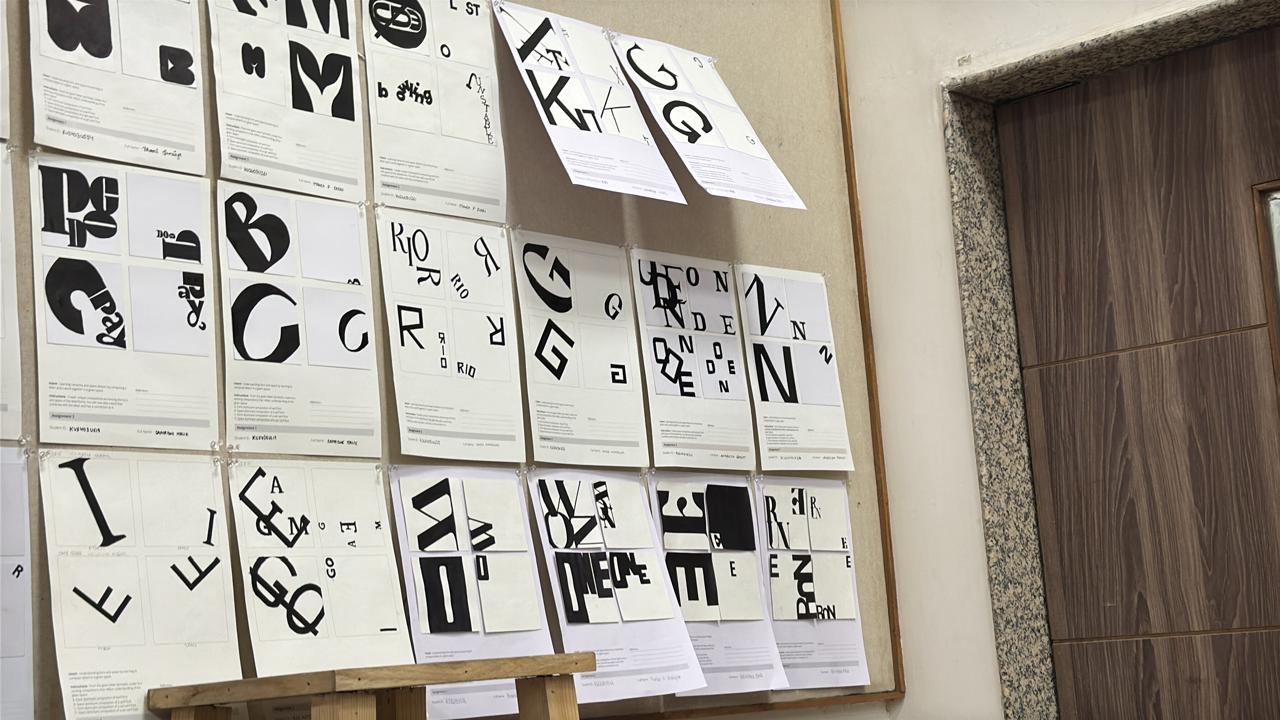
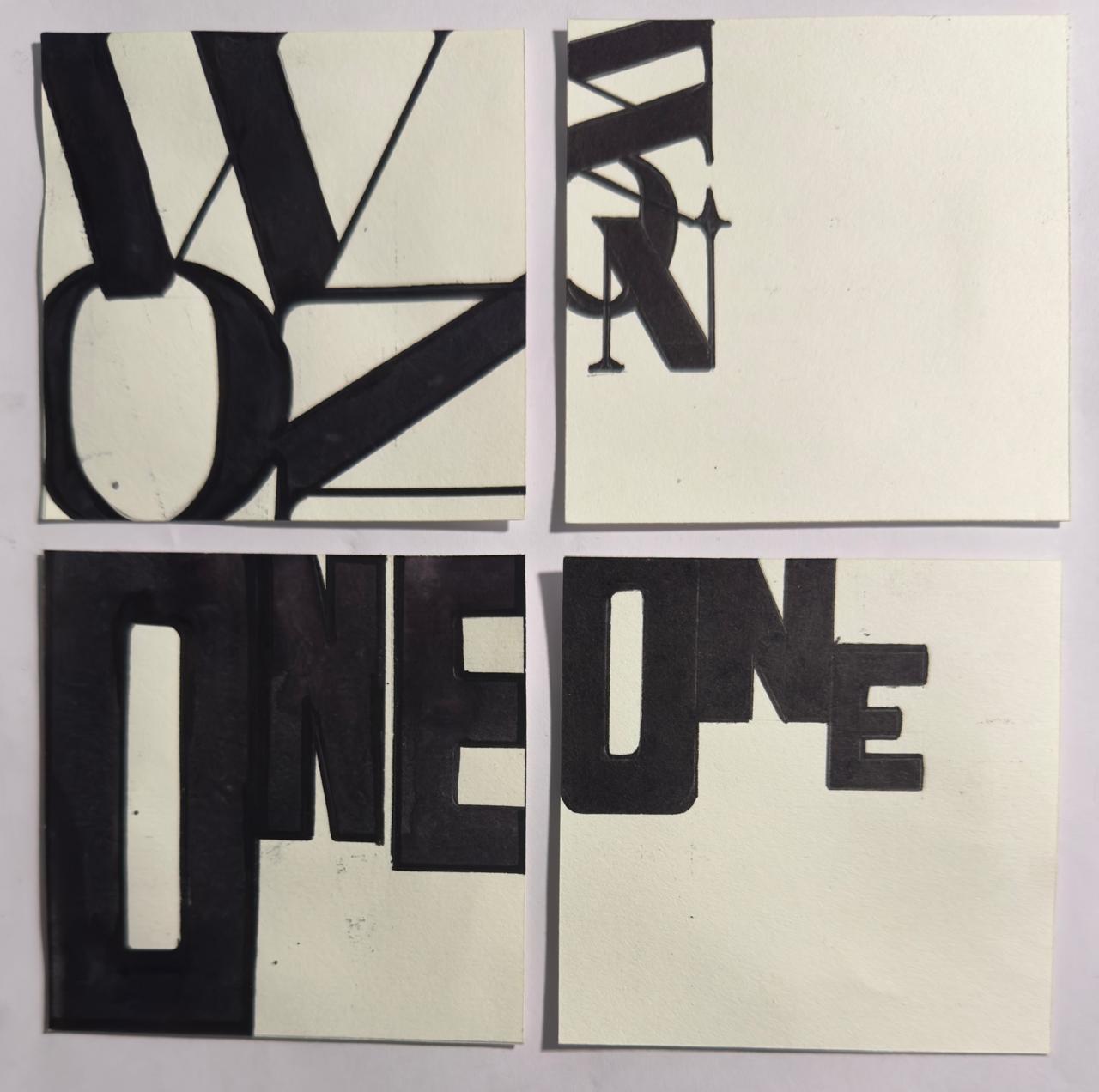
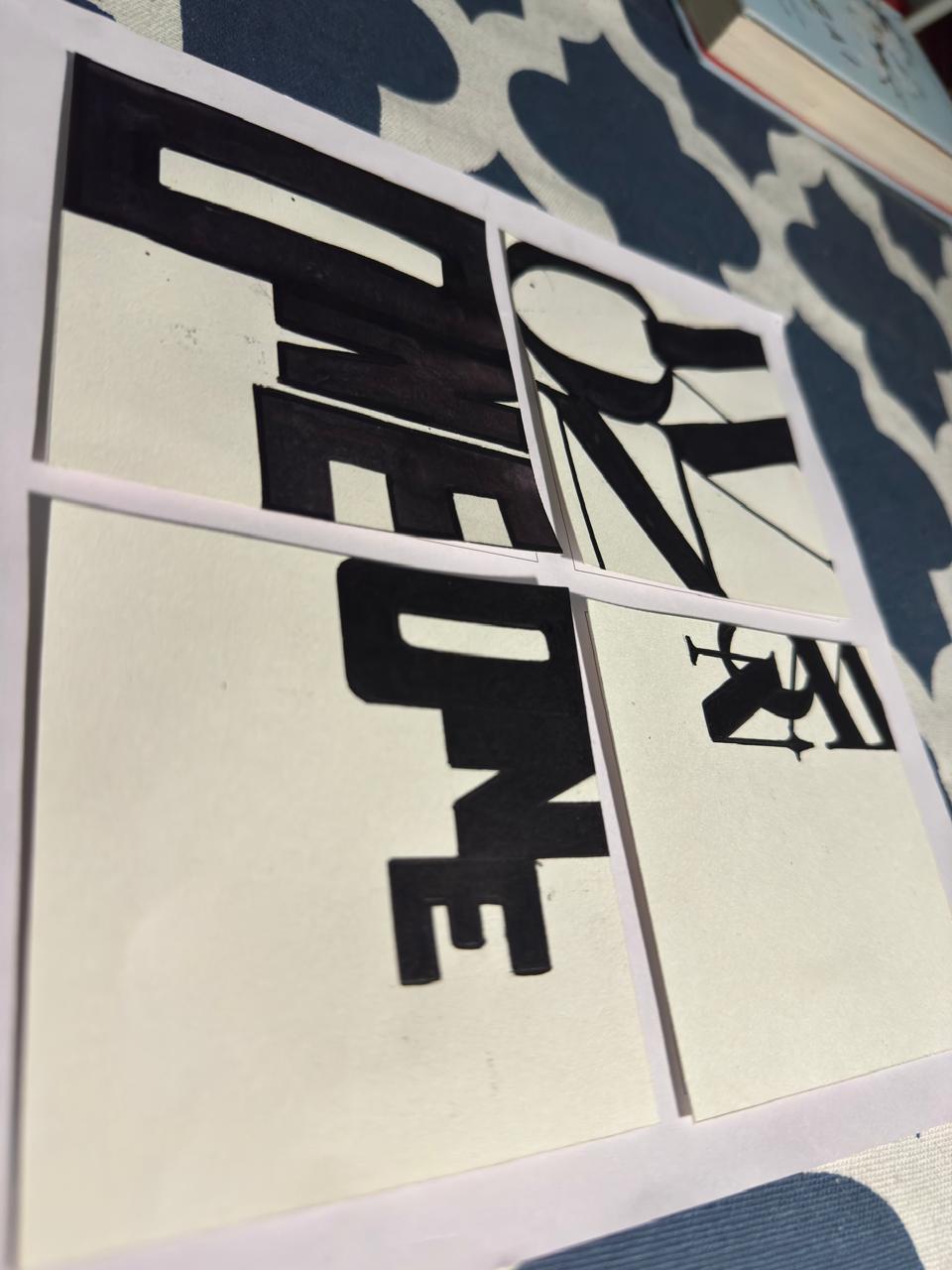
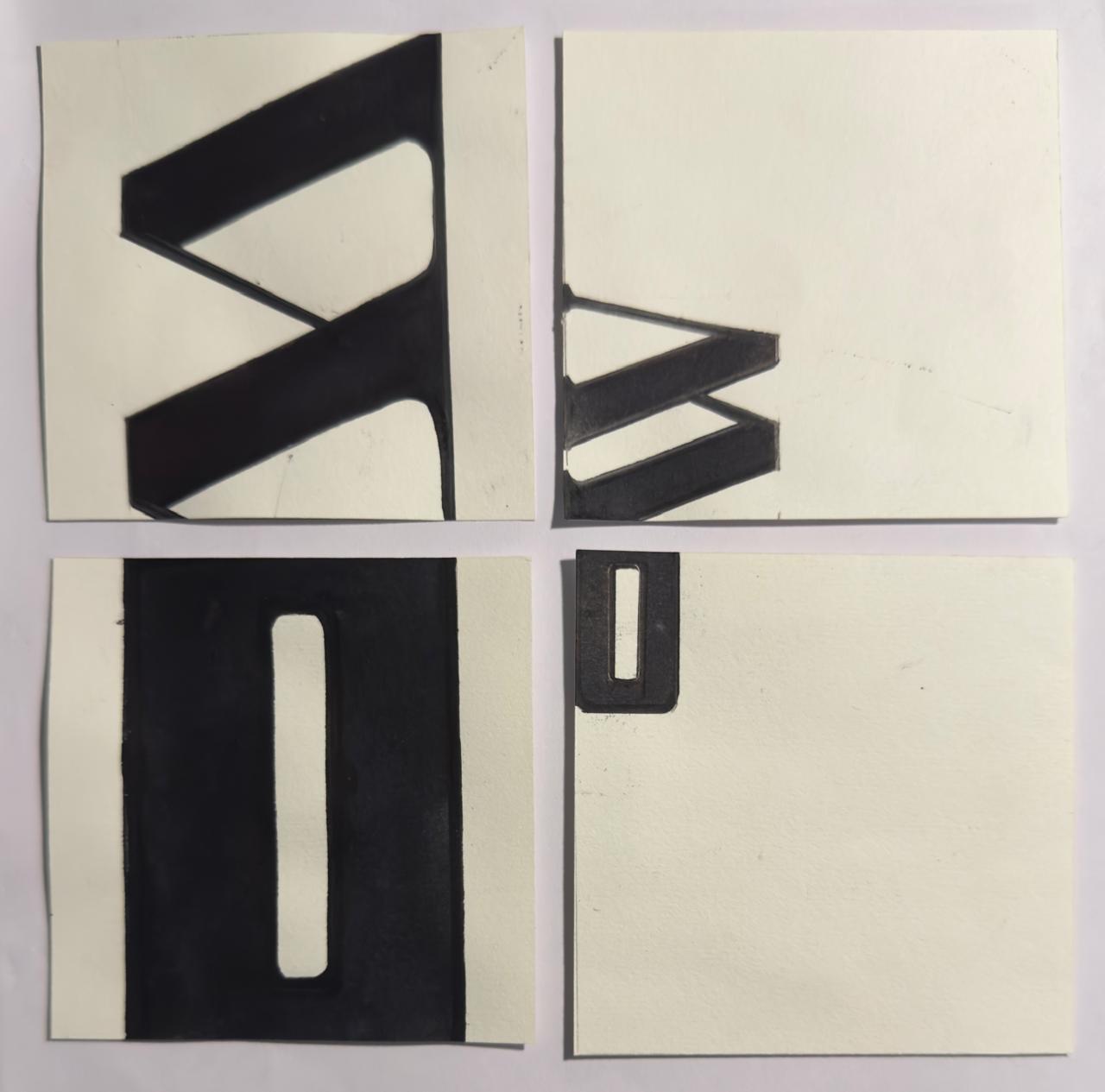
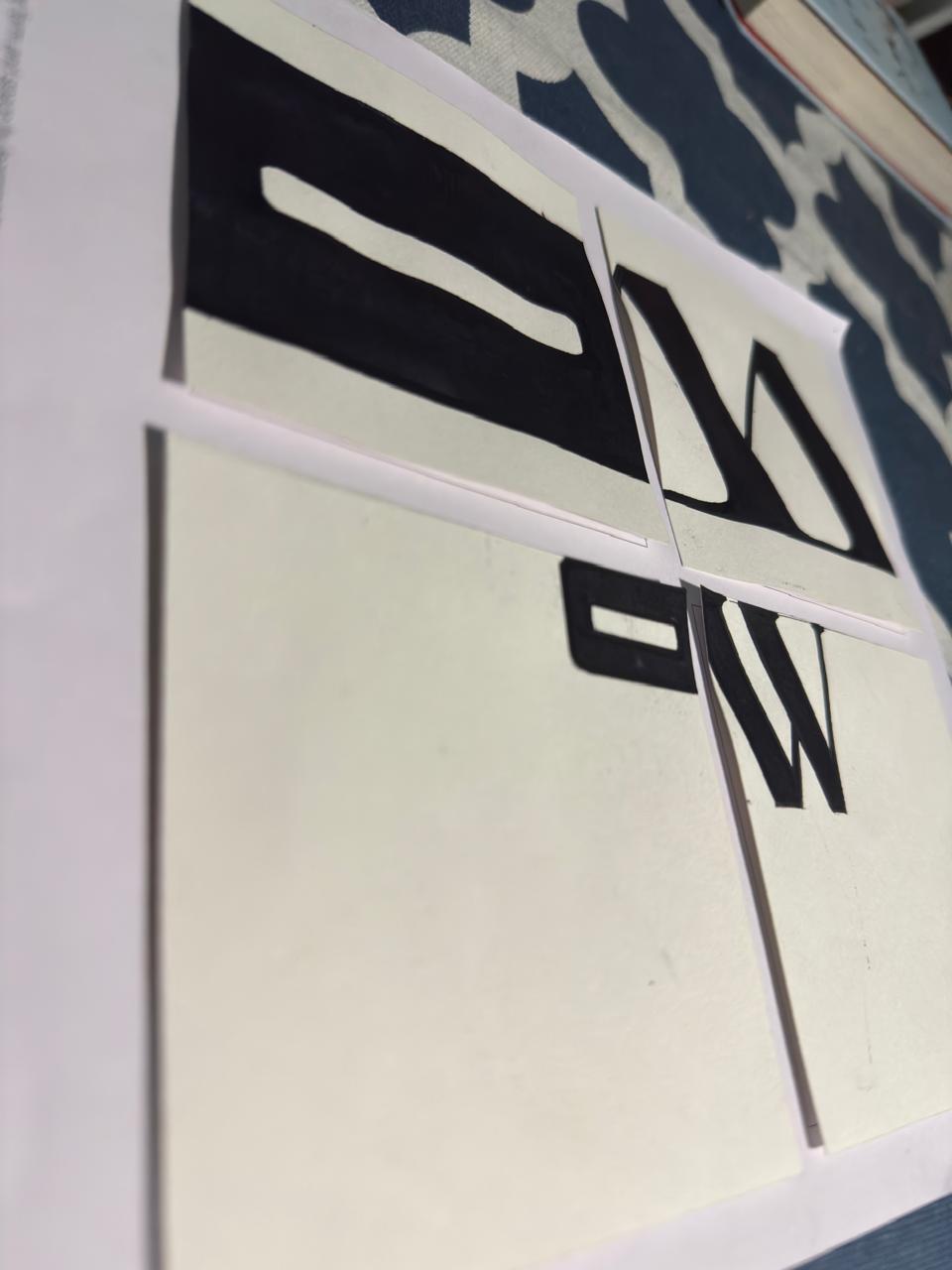
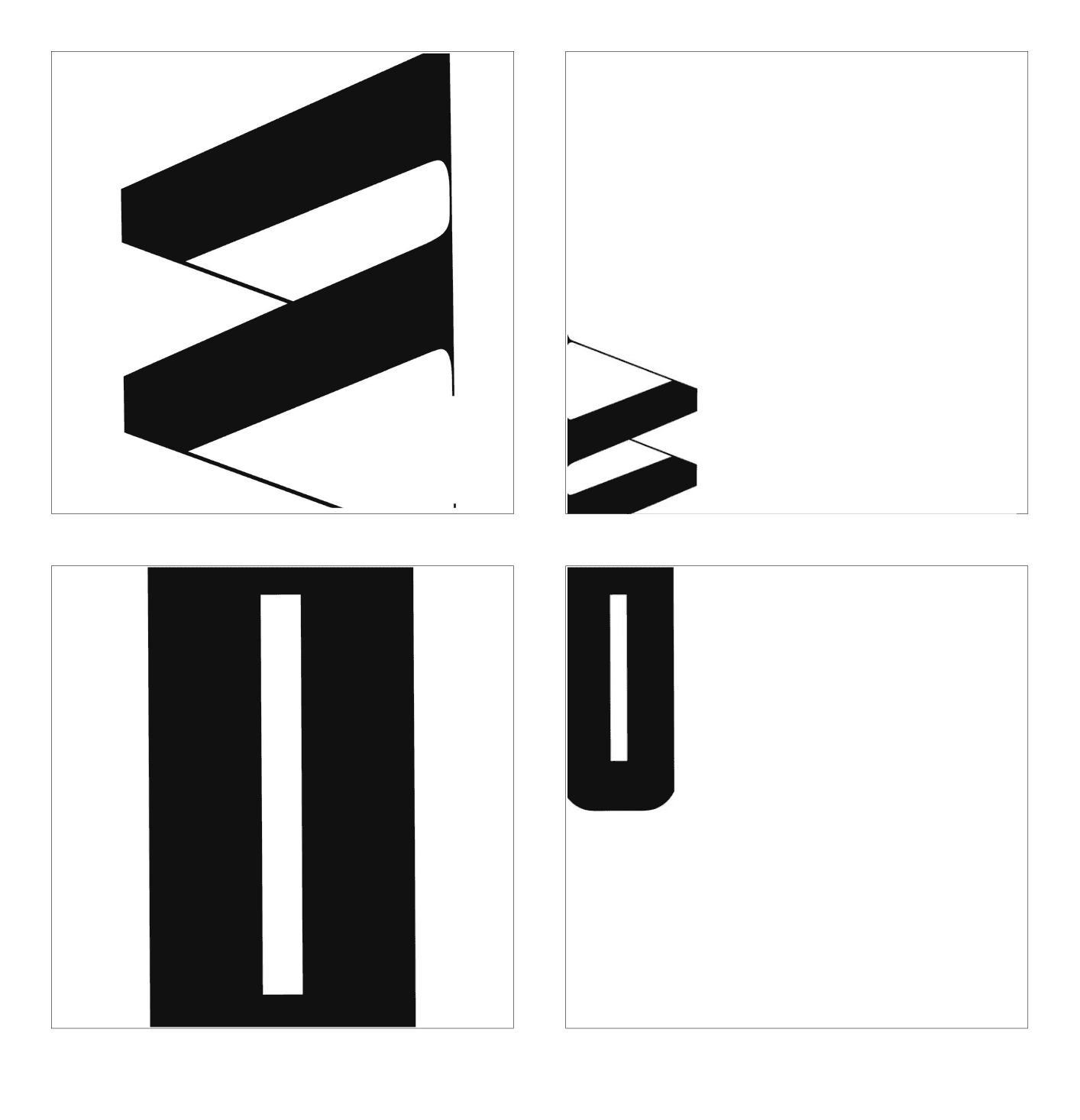
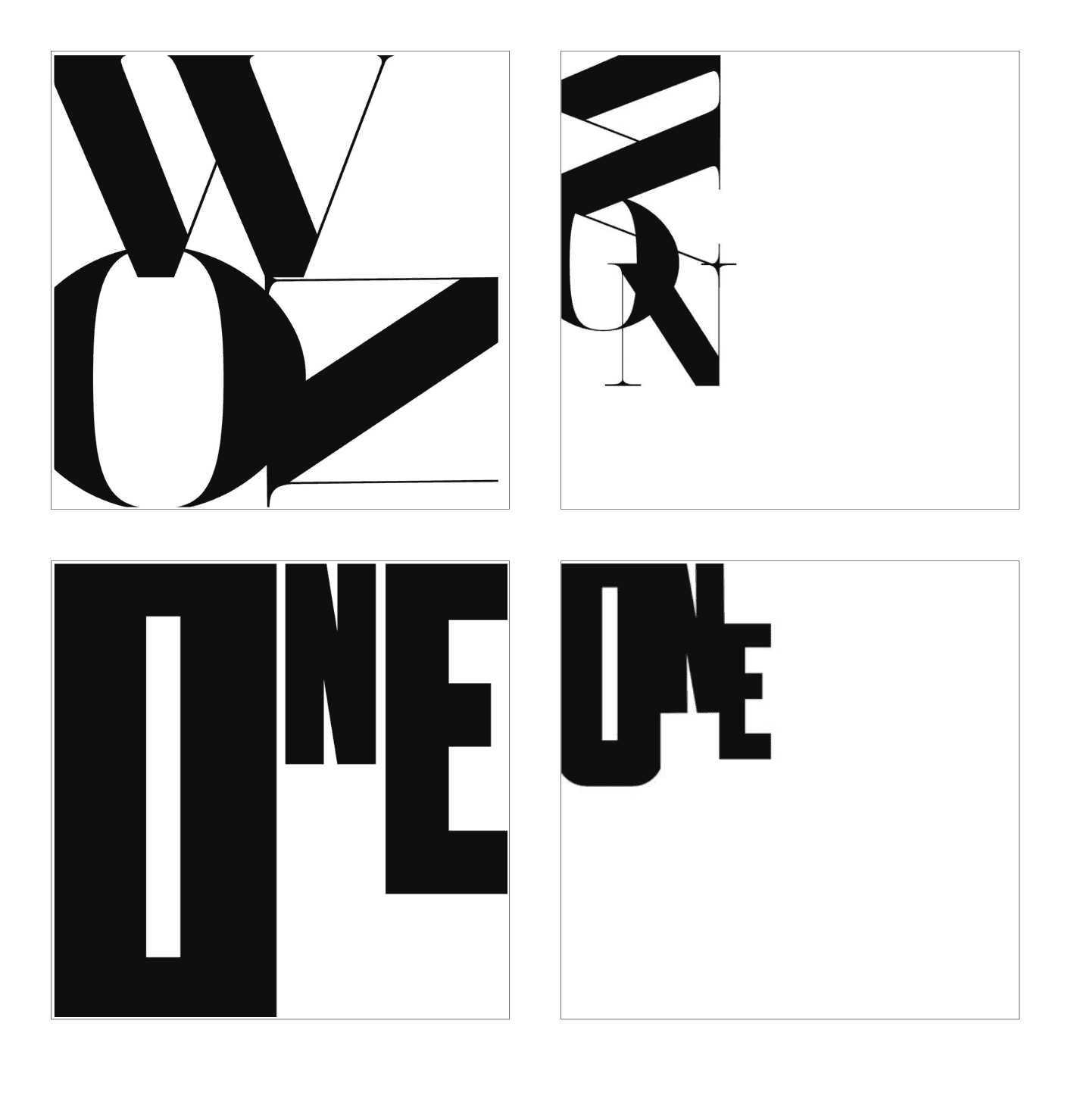
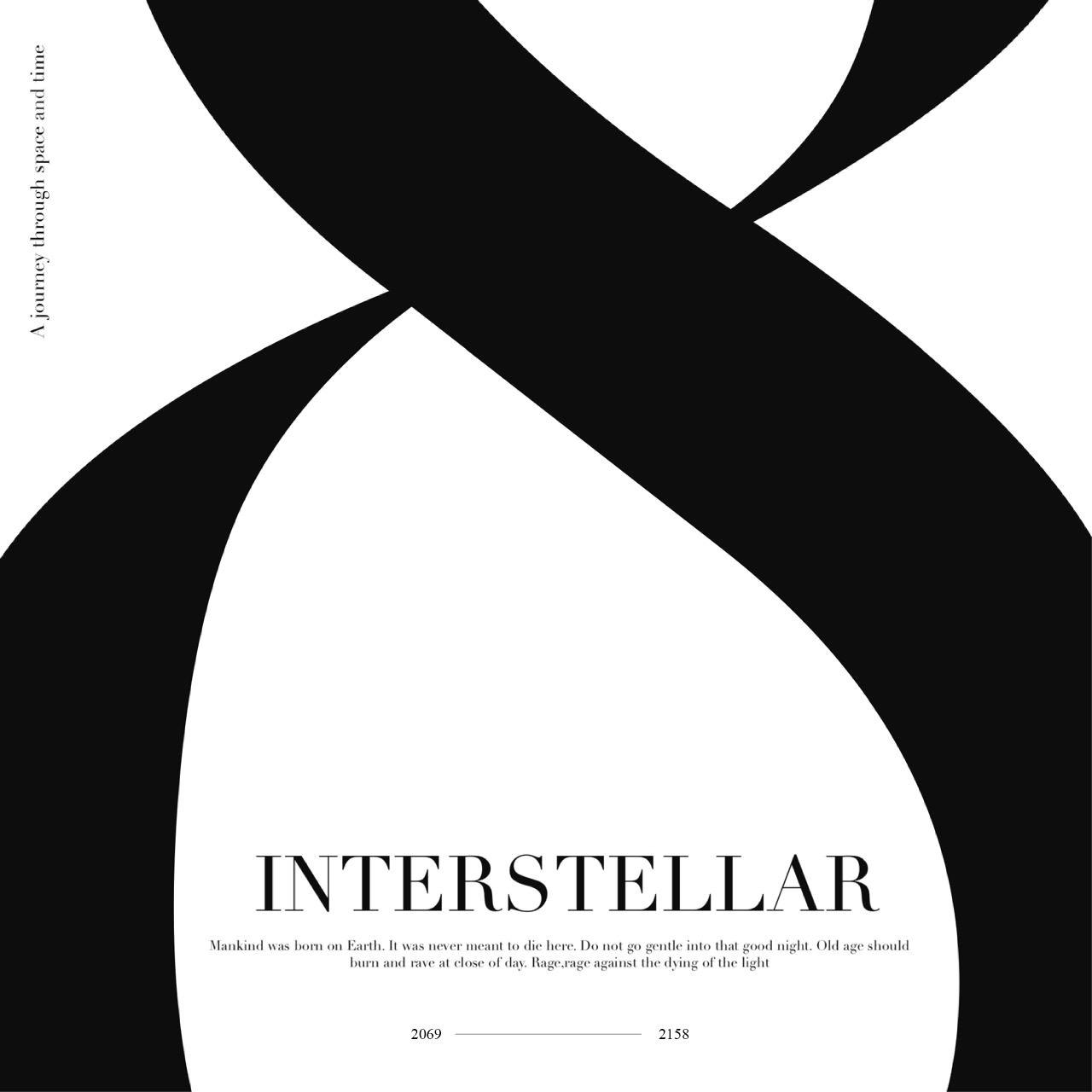
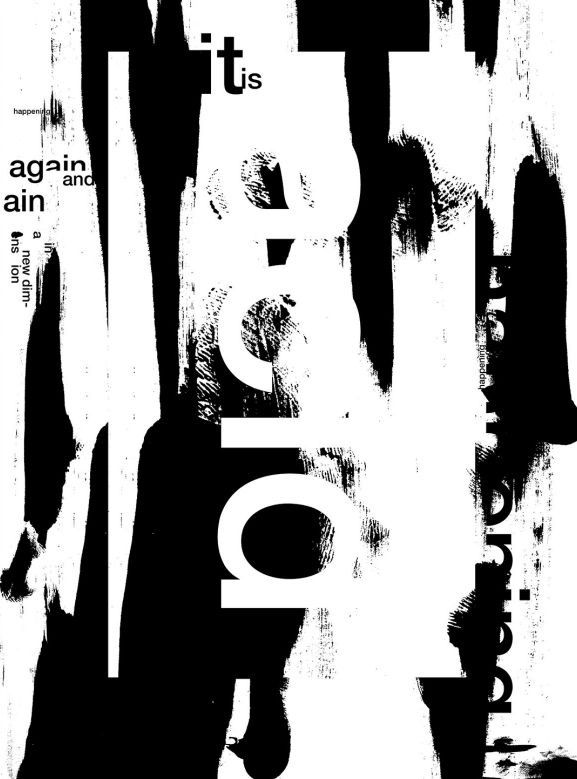
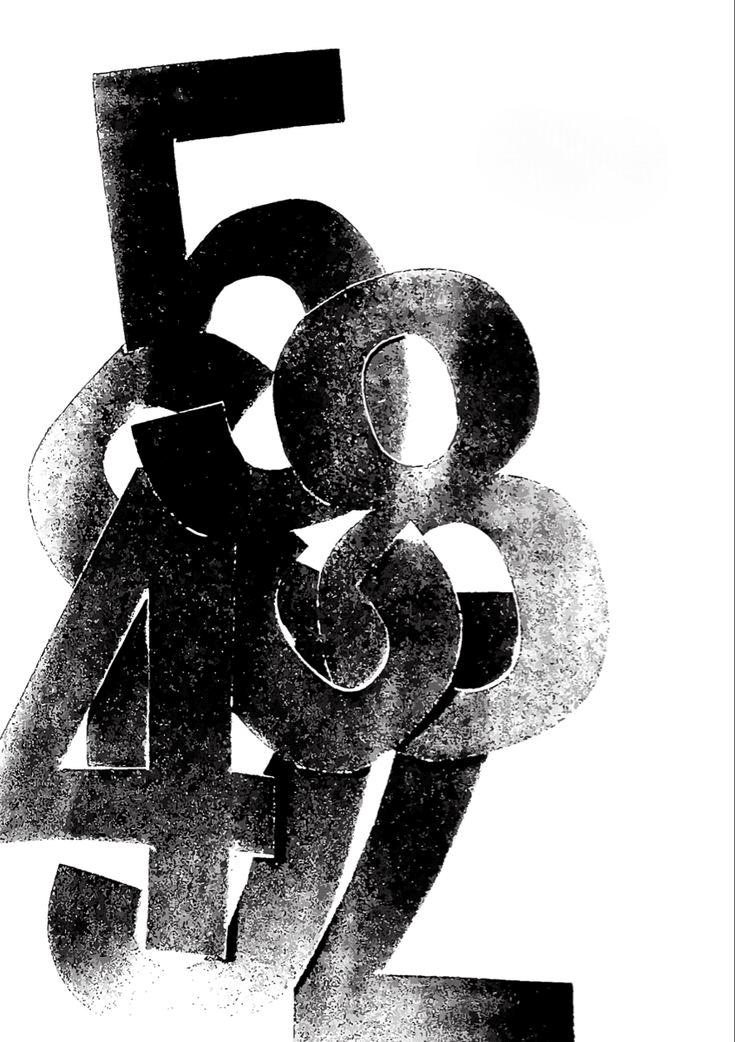
This assignment explored typography beyond readability, focusing on how letterforms function as visual forms within space.
The objective was to create a composition where type was not just text, but the dominant structural element.
By manipulating weight, proportion, cropping, and spatial tension, the exercise emphasized how form and space interact to create impact.
It strengthened an understanding of visual hierarchy, composition dynamics, and how typography can command attention purely through
structure rather than decorative elements.
This assignment explored typography beyond readability, focusing on how letterforms function
as visual forms within space. The objective was to create a composition where type was not just
text, but the dominant structural element.
By manipulating weight, proportion, cropping, and spatial tension, the exercise emphasized how form
and space interact to create impact. It strengthened an understanding of visual hierarchy, composition
dynamics, and how typography can command attention purely through
structure rather than decorative elements.
This assignment explored typography beyond readability,
focusing on how letterforms function as visual forms
within space. The objective was to create a composition
where type was not just text, but the dominant structural
element.
By manipulating weight, proportion, cropping, and spatial
tension, the exercise emphasized how form and space
interact to create impact. It strengthened an understanding
of visual hierarchy, composition dynamics, and how
typography can command attention purely through
structure rather than decorative elements.
This assignment explored typography beyond readability, focusing on how letterforms
function as visual forms within space. The objective was to create a composition where
type was not just text, but the dominant structural element.
By manipulating weight, proportion, cropping, and spatial tension, the exercise emphasized
how form and space interact to create impact. It strengthened an understanding of
visual hierarchy, composition dynamics, and how typography can command
attention purely through structure rather than decorative elements.
Hand painted and crafted typefaces
Hand painted and crafted typefaces
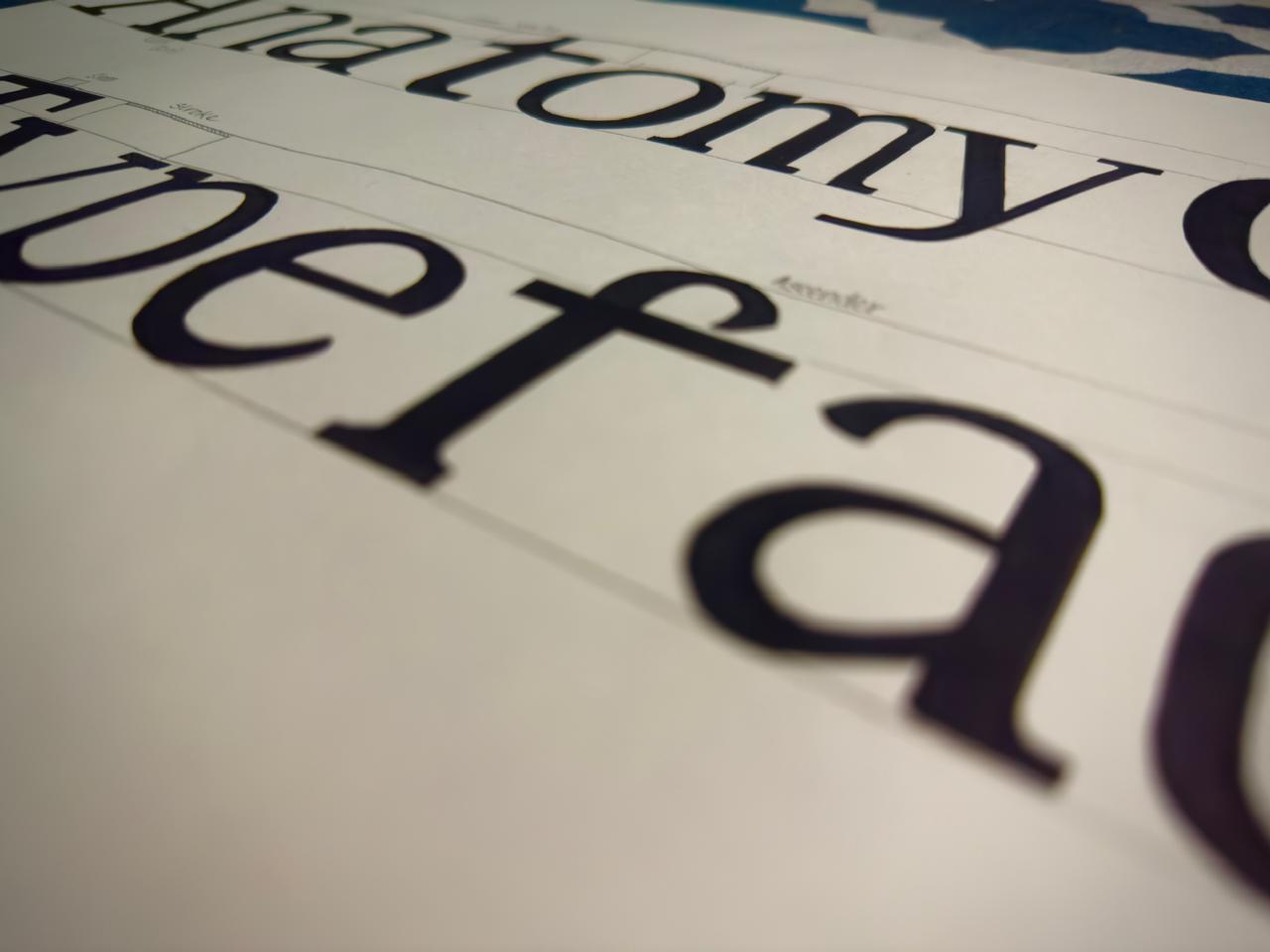
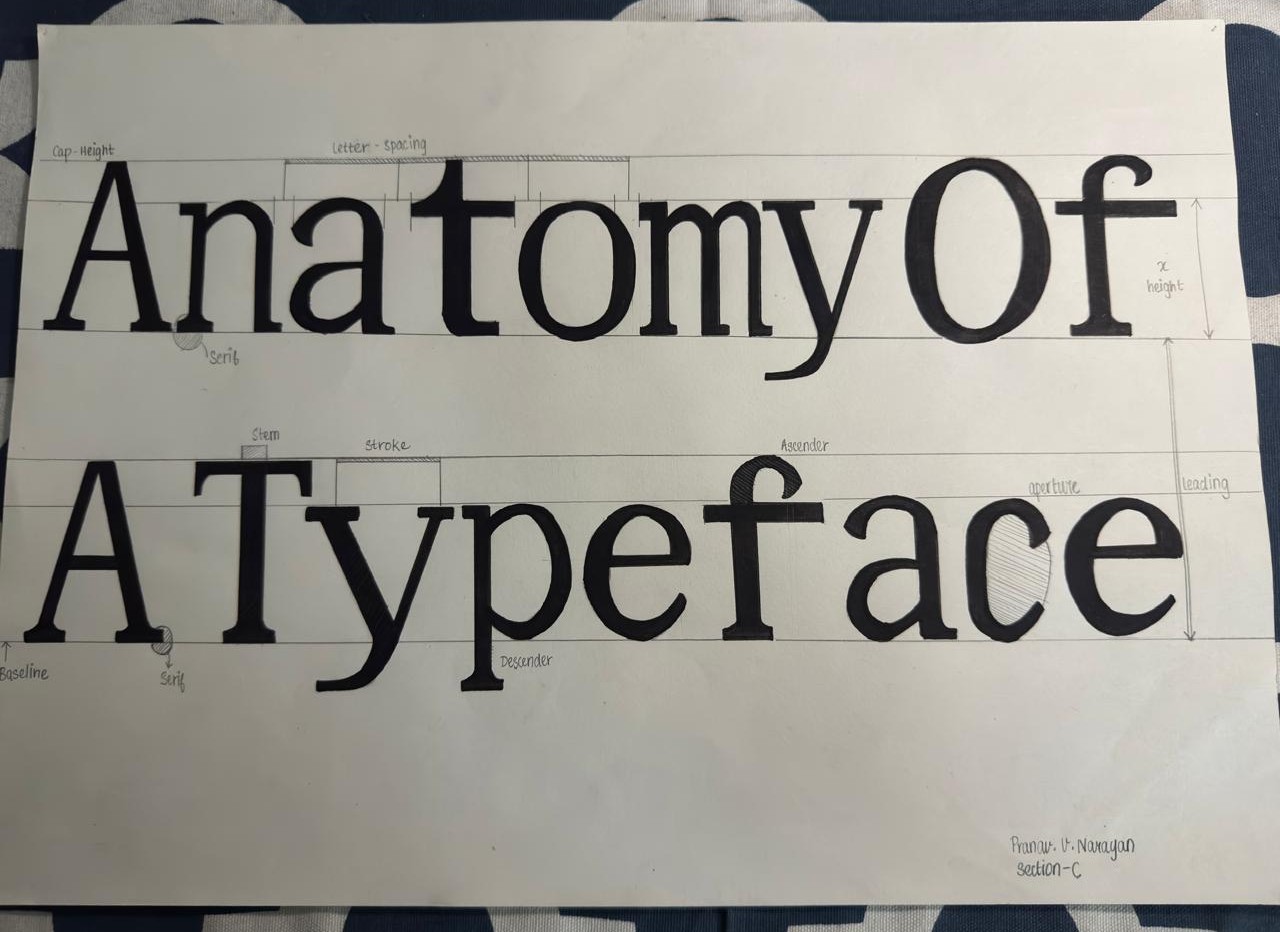
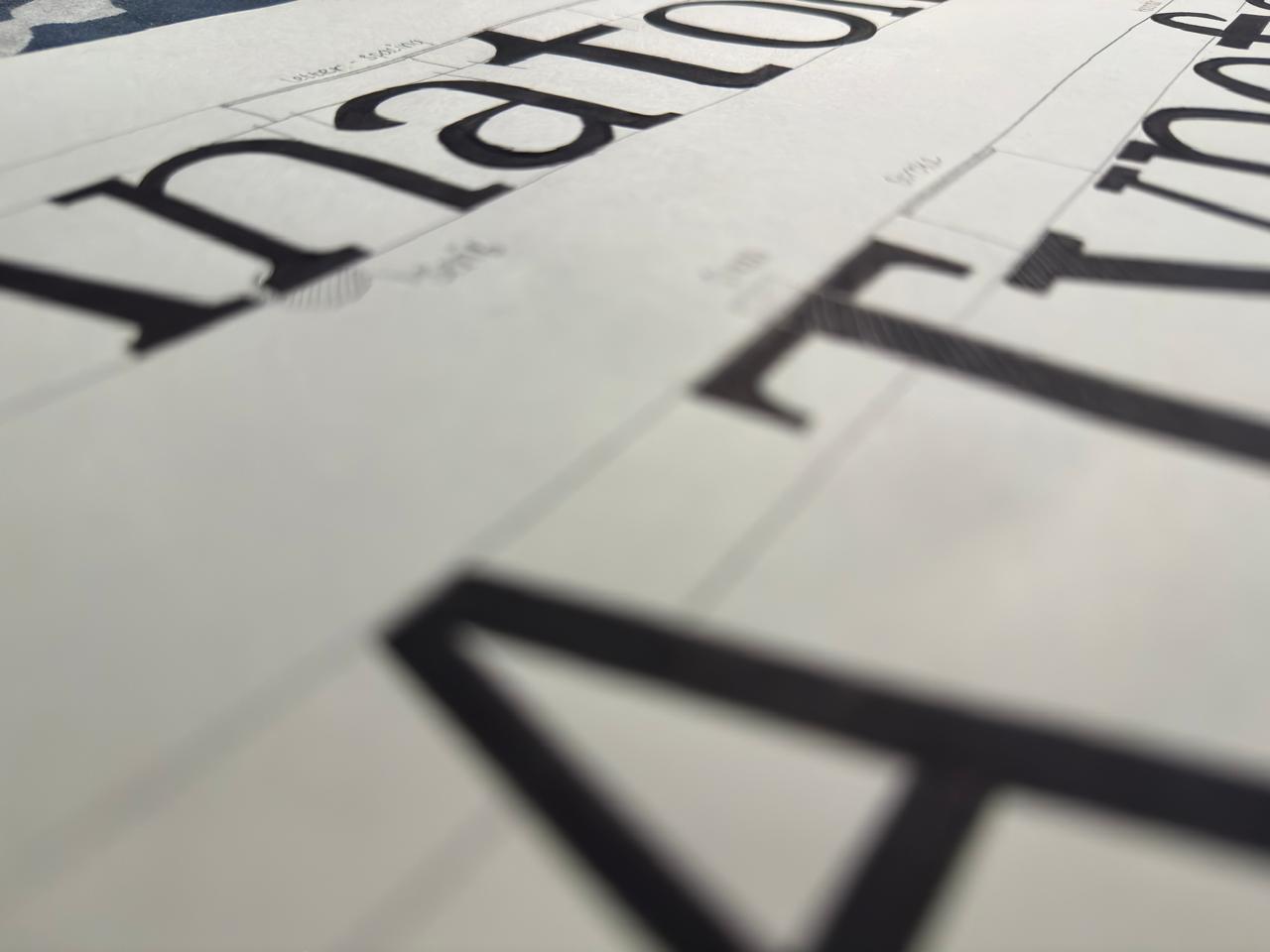
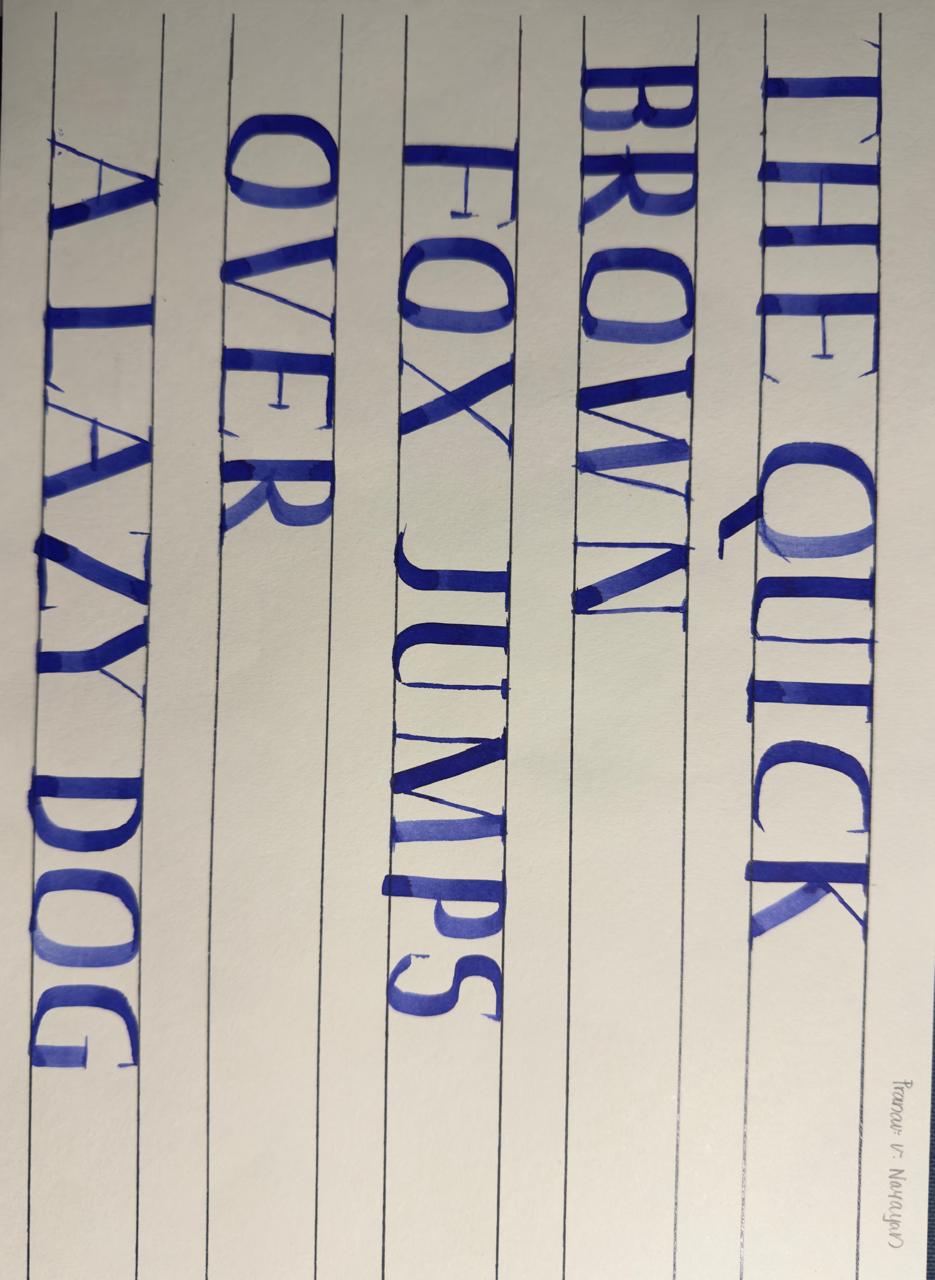
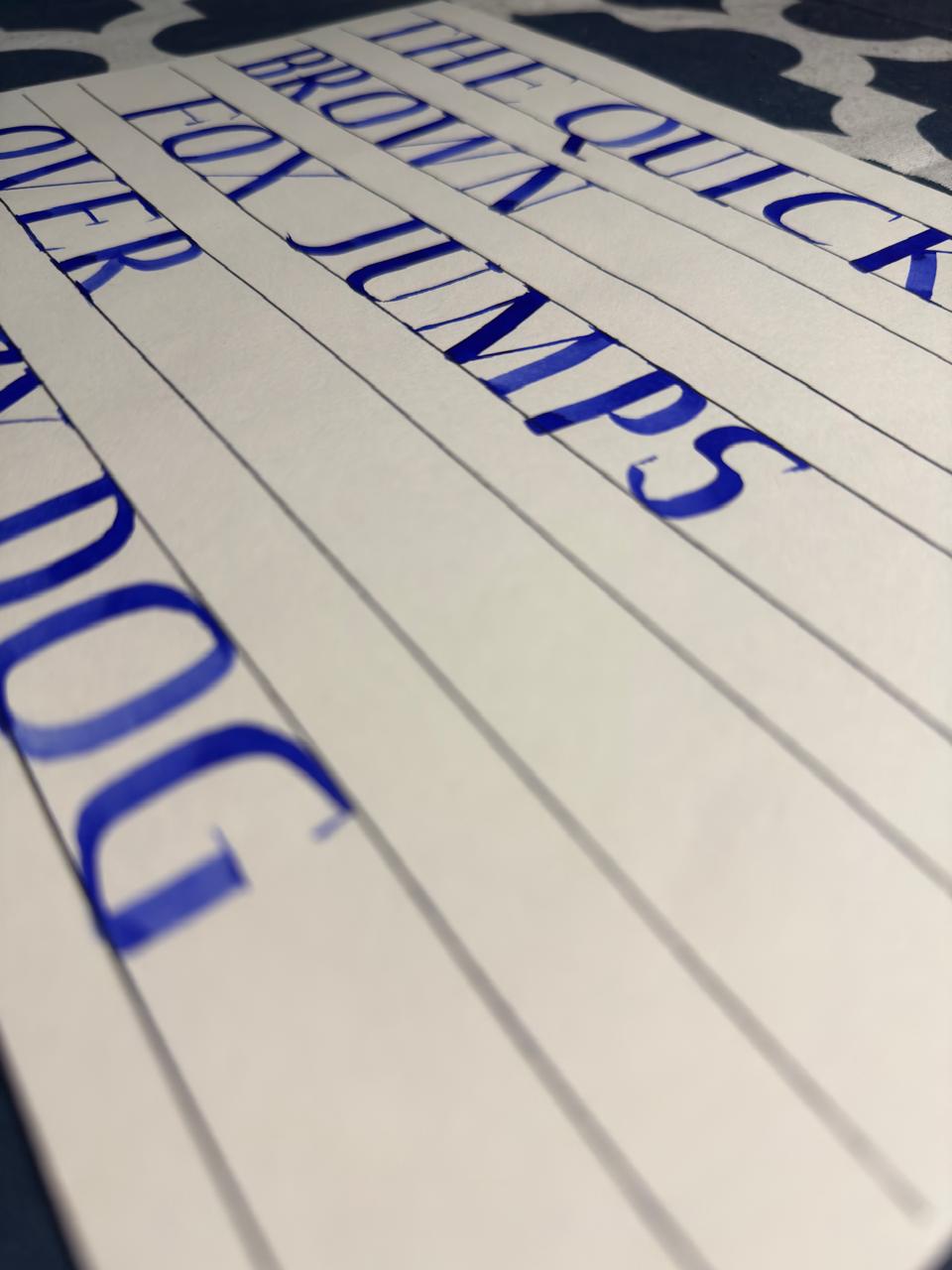
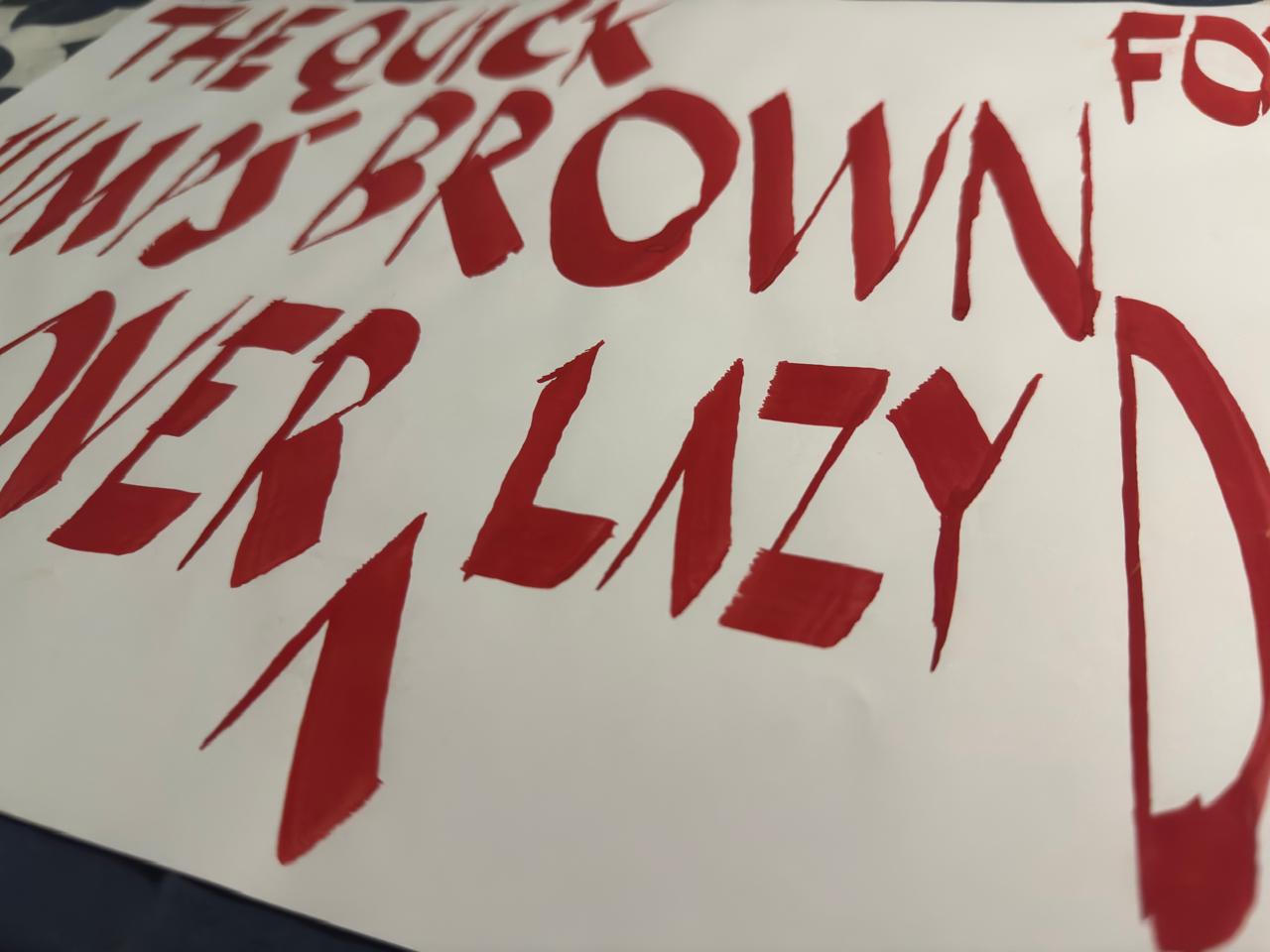
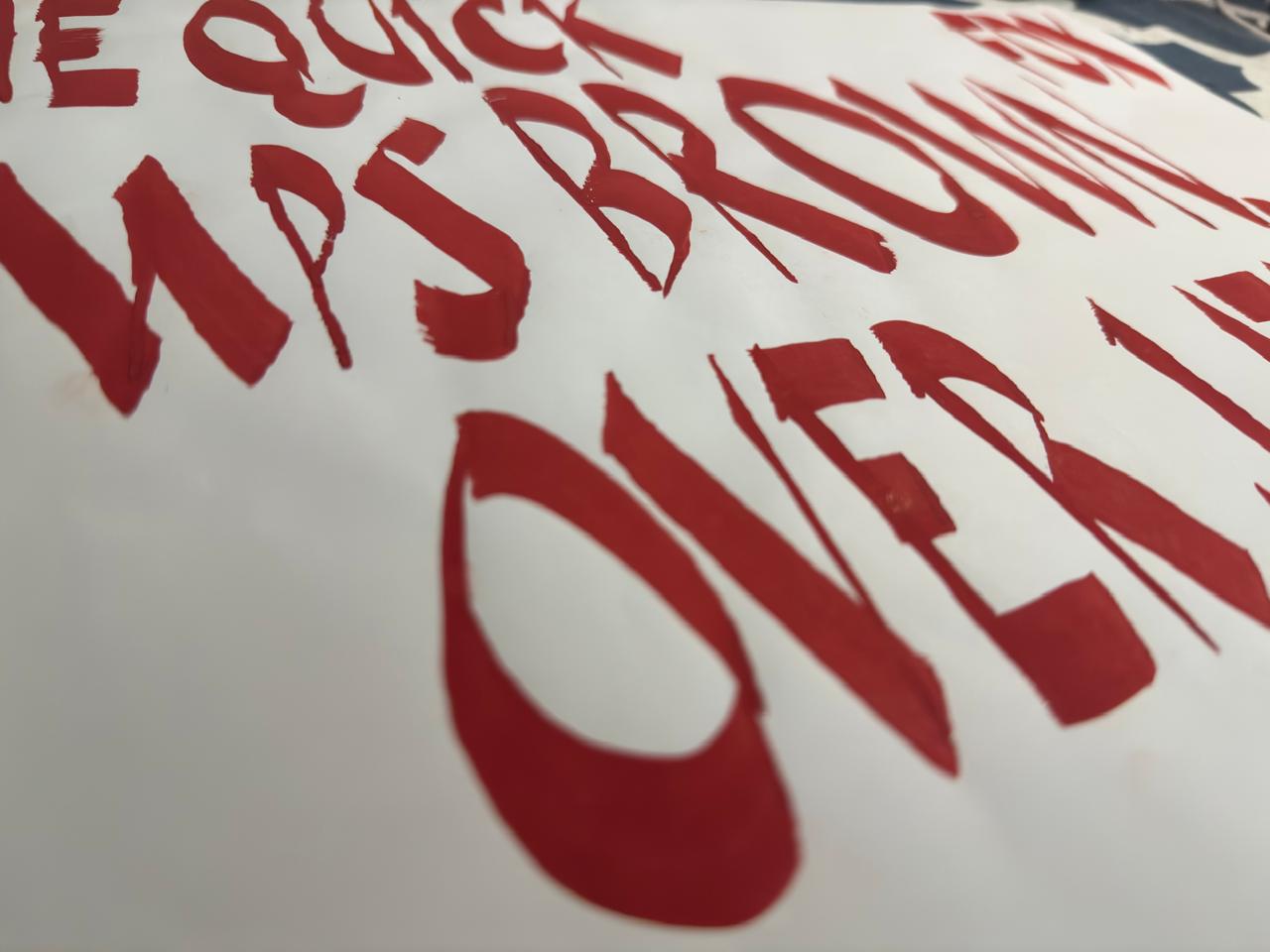
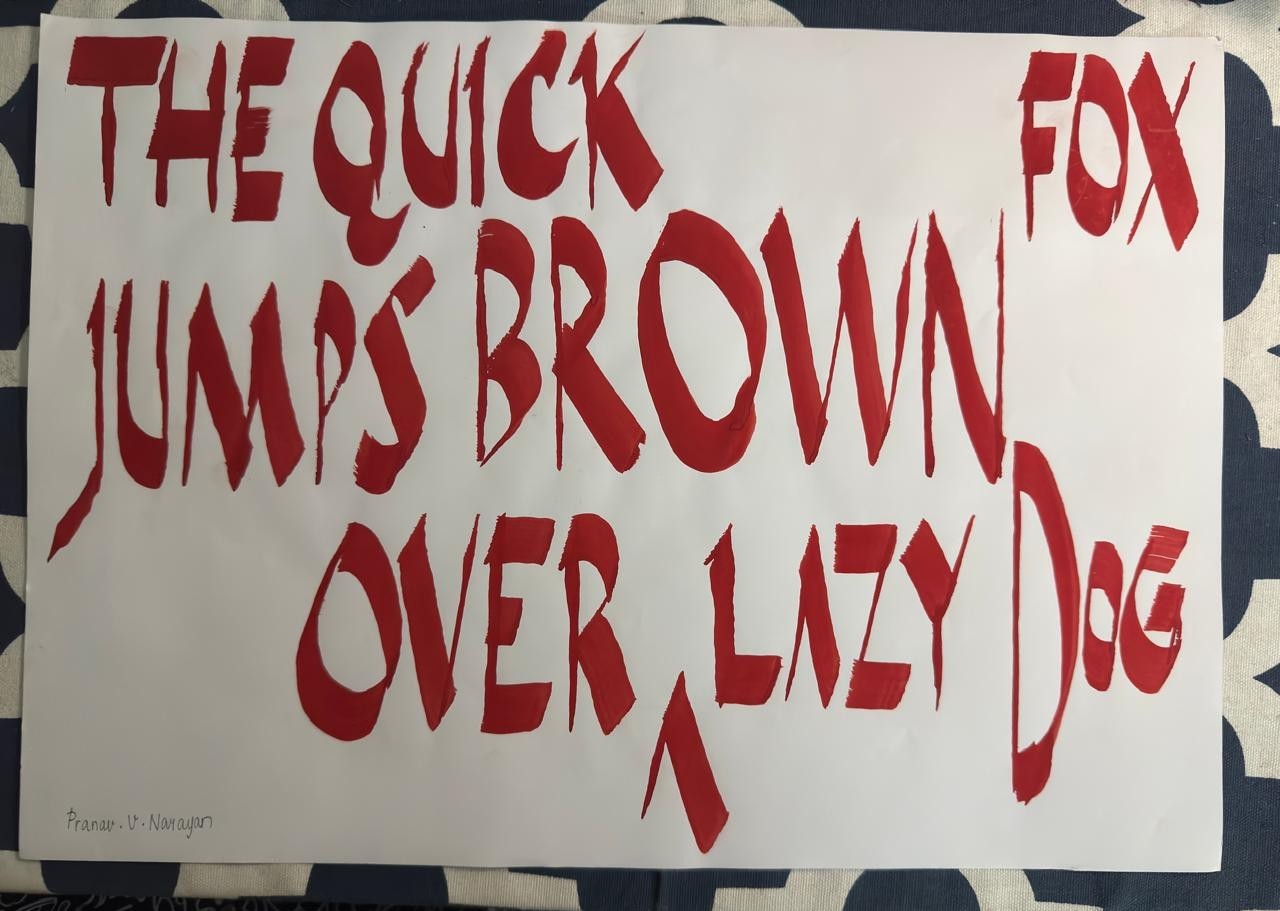
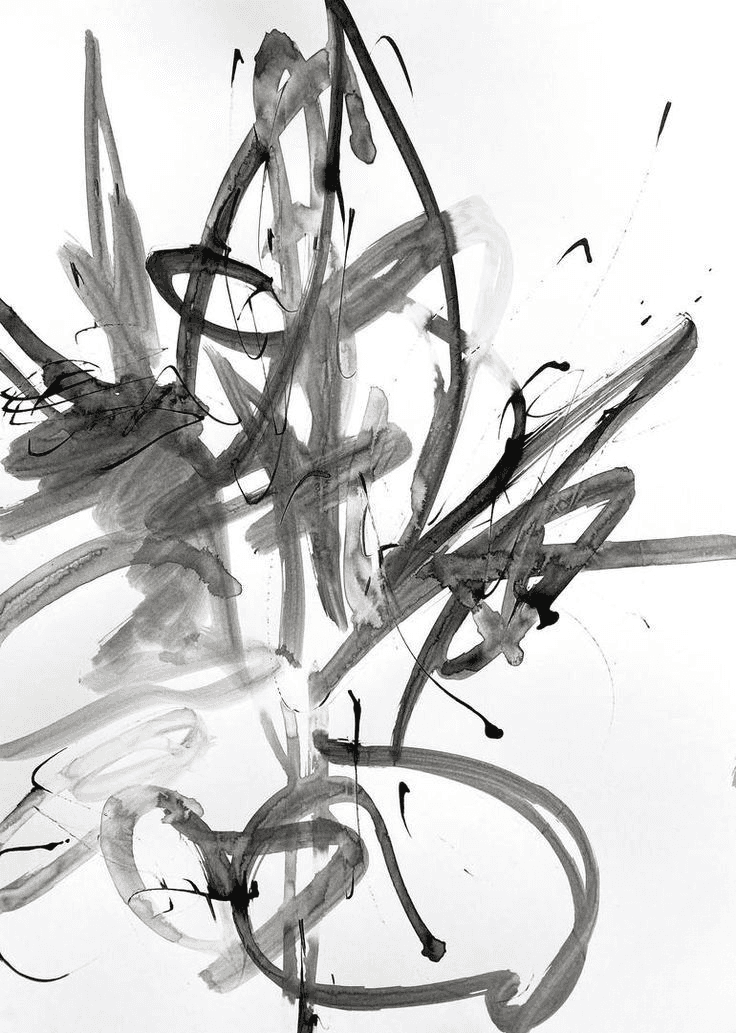
This assignment focused on creating expressive letterforms using traditional, manual tools such as ink with wooden nibs, flat brushes,
and rustica-inspired strokes. The goal was to understand how pressure, angle, texture, and hand movement influence form. Instead of
relying on digital precision, the emphasis was on rhythm, stroke contrast, and the organic imperfections that give character to type. It
helped build sensitivity toward structure, consistency, and the physical construction of letterforms.
This assignment focused on creating expressive letterforms using traditional, manual tools such as ink
with wooden nibs, flat brushes, and rustica-inspired strokes. The goal was to understand how pressure,
angle, texture, and hand movement influence form. Instead of relying on digital precision, the emphasis
was on rhythm, stroke contrast, and the organic imperfections that give character to type.
It helped build sensitivity toward structure, consistency, and the physical construction of letterforms.
This assignment focused on designing a complete editorial publication from
concept to final layout. The objective was to apply typographic systems across
multiple spreads while maintaining consistency, hierarchy, and readability.
Through the creation of grids, margin systems, cover design, masthead
development, and structured content flow, the module emphasized how
typography drives narrative in long-form design.
The magazine project required balancing text, image, white space, and visual
rhythm across sections from feature articles to pull quotes and captions. It
strengthened understanding of publication hierarchy, alignment discipline,
typographic pairing, and pacing across spreads.
This assignment focused on creating expressive letterforms using traditional, manual tools
such as ink with wooden nibs, flat brushes, and rustica-inspired strokes. The goal was to
understand how pressure, angle, texture, and hand movement influence form. Instead
of relying on digital precision, the emphasis was on rhythm, stroke contrast, and the
organic imperfections that give character to type. It helped build sensitivity toward structure,
consistency, and the physical construction of letterforms.
Experimental typography
Experimental typography
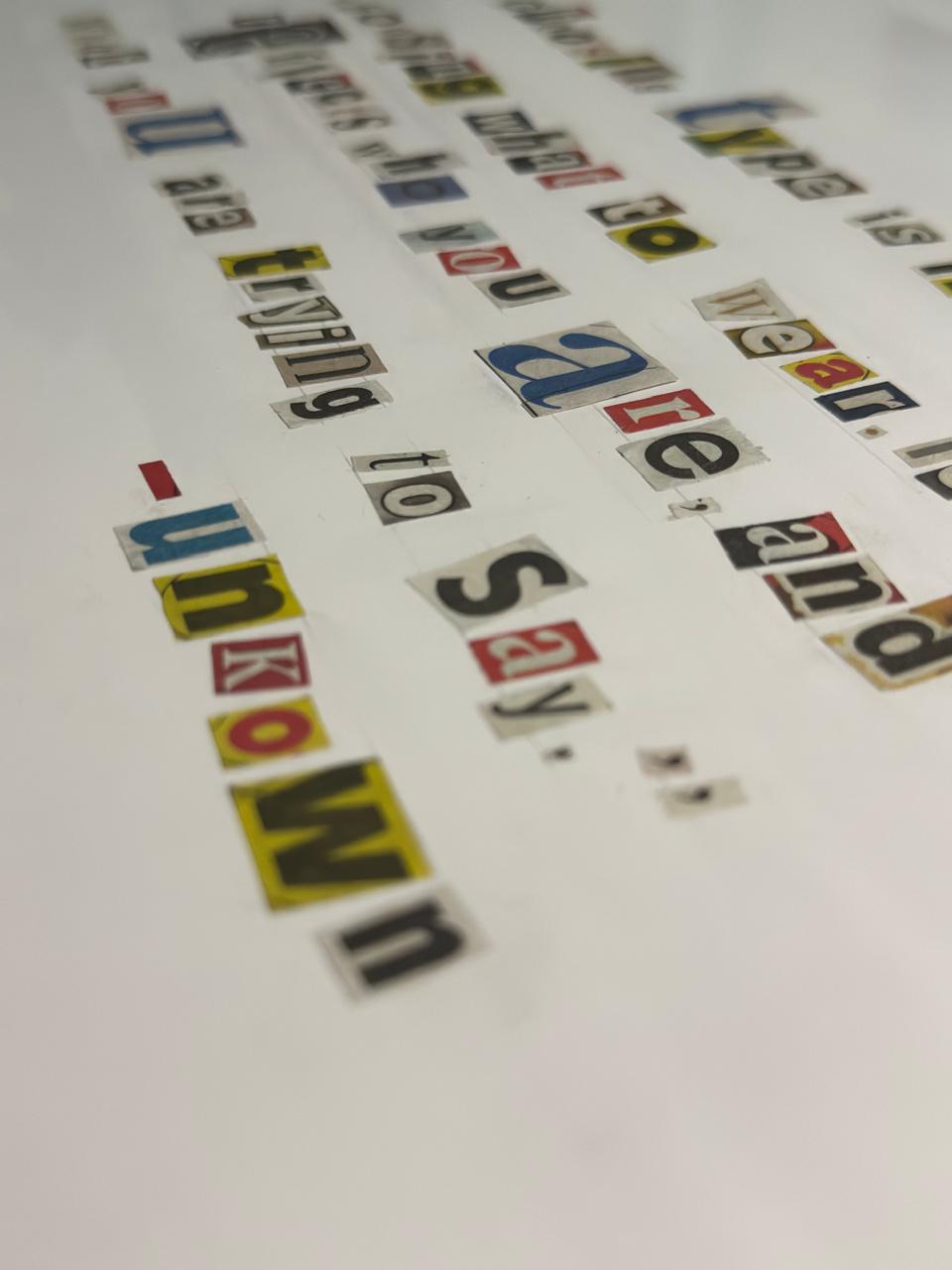
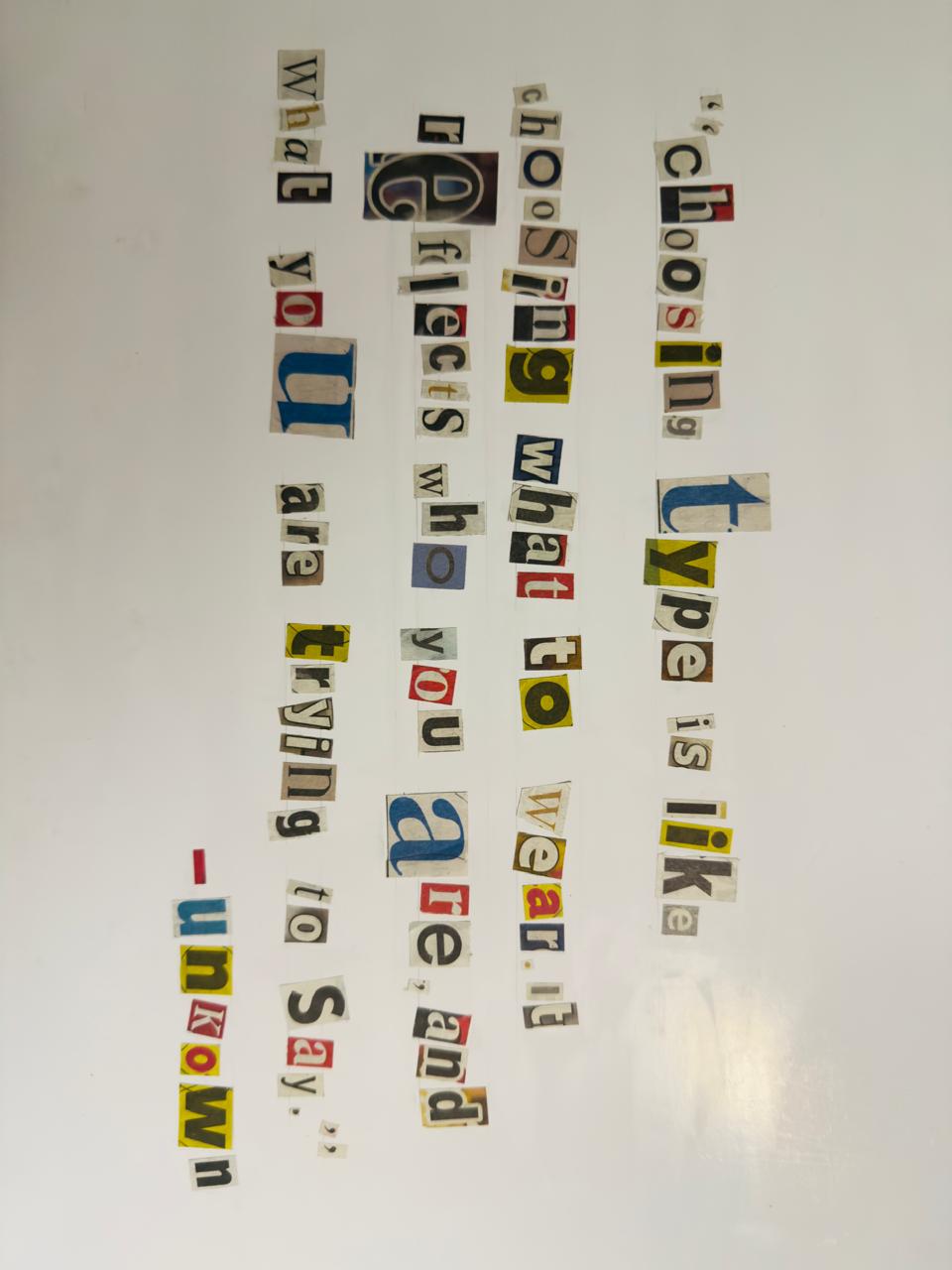
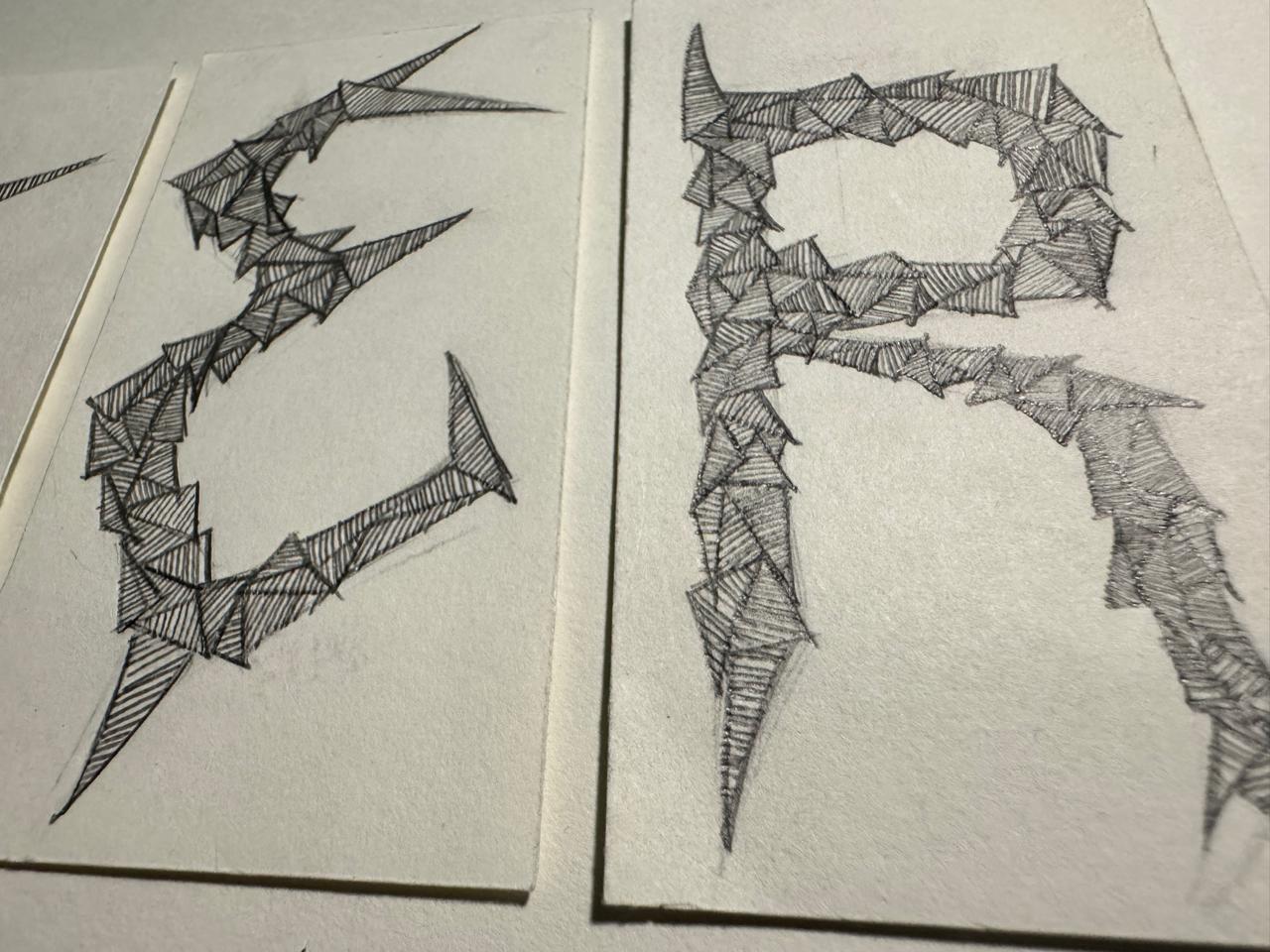
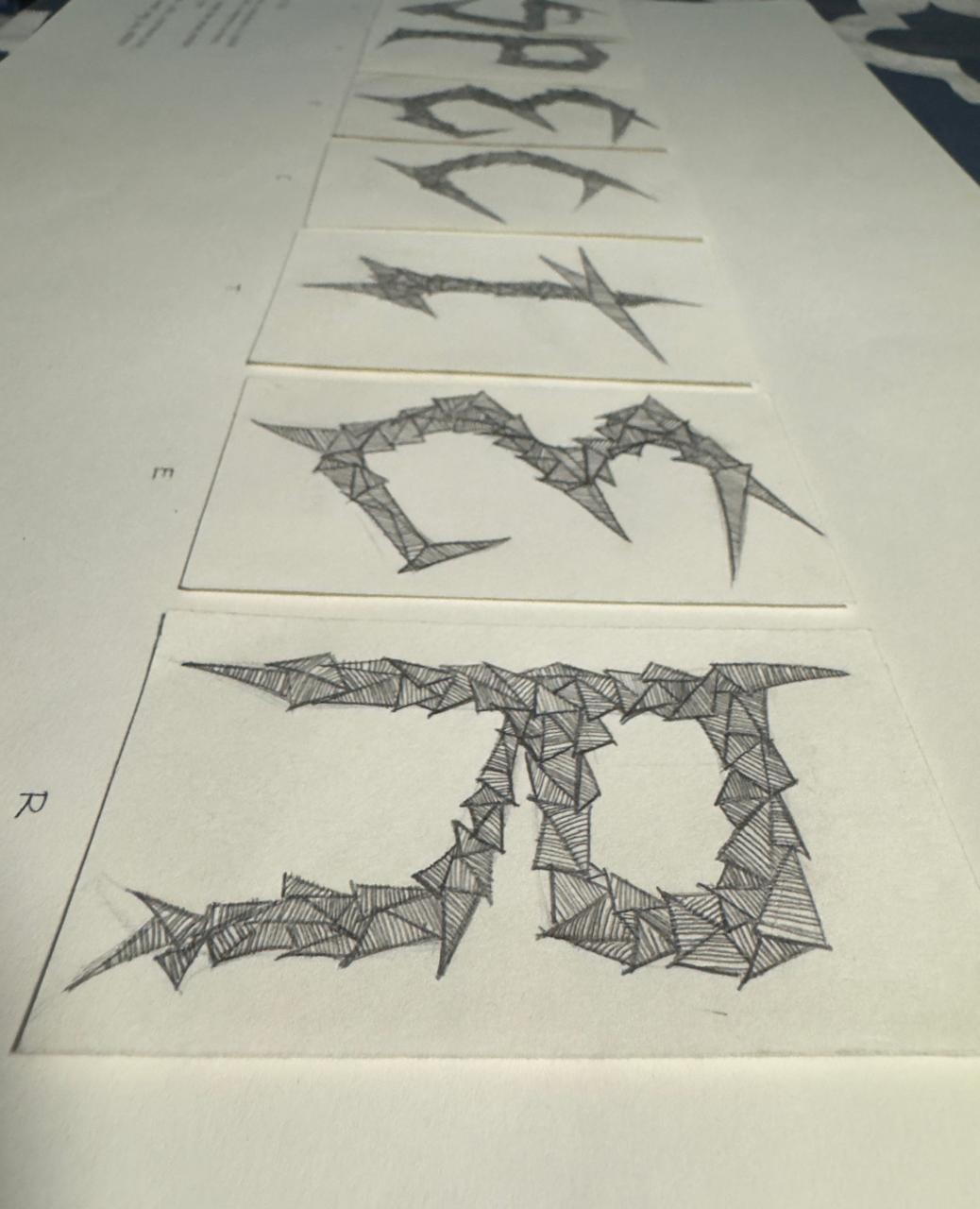
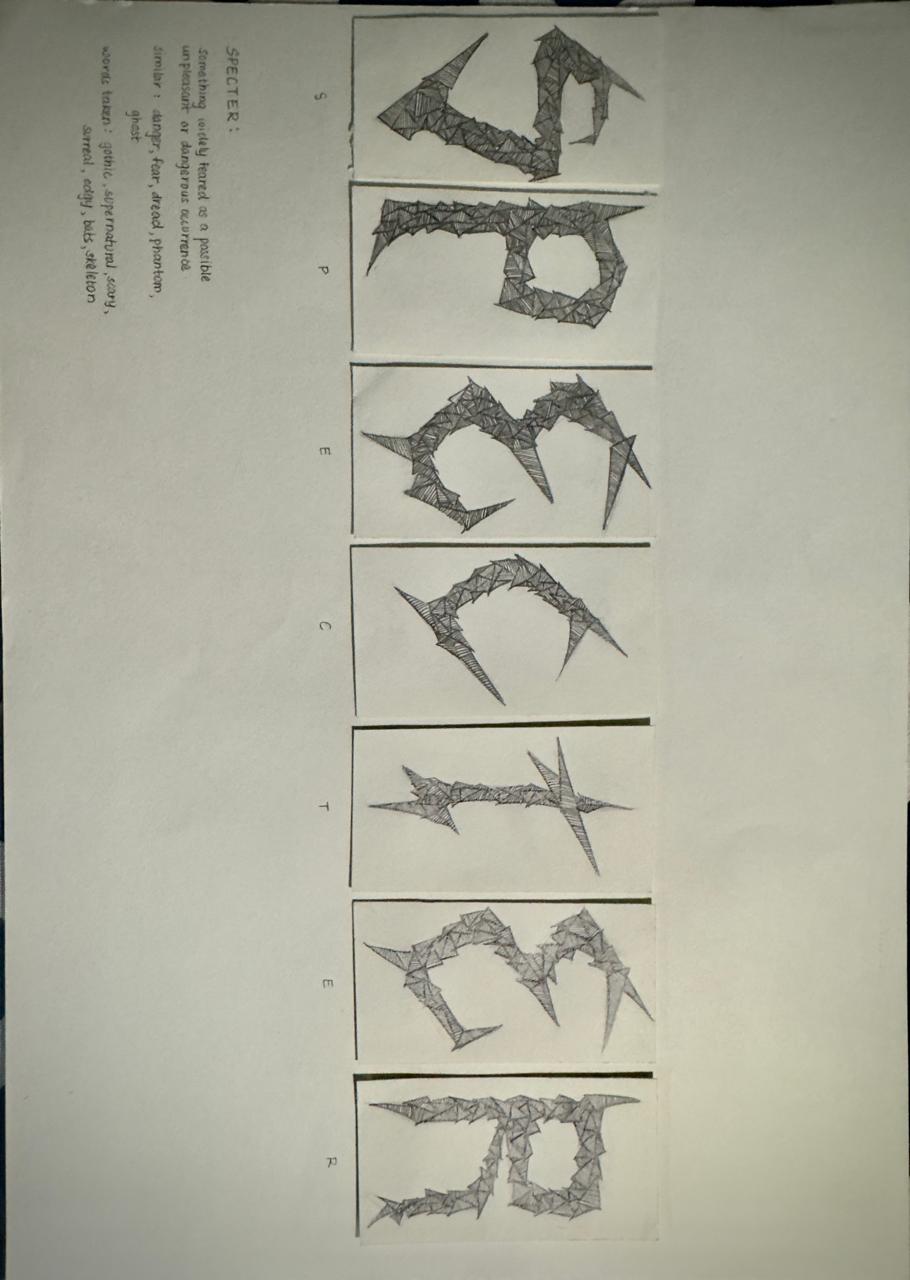
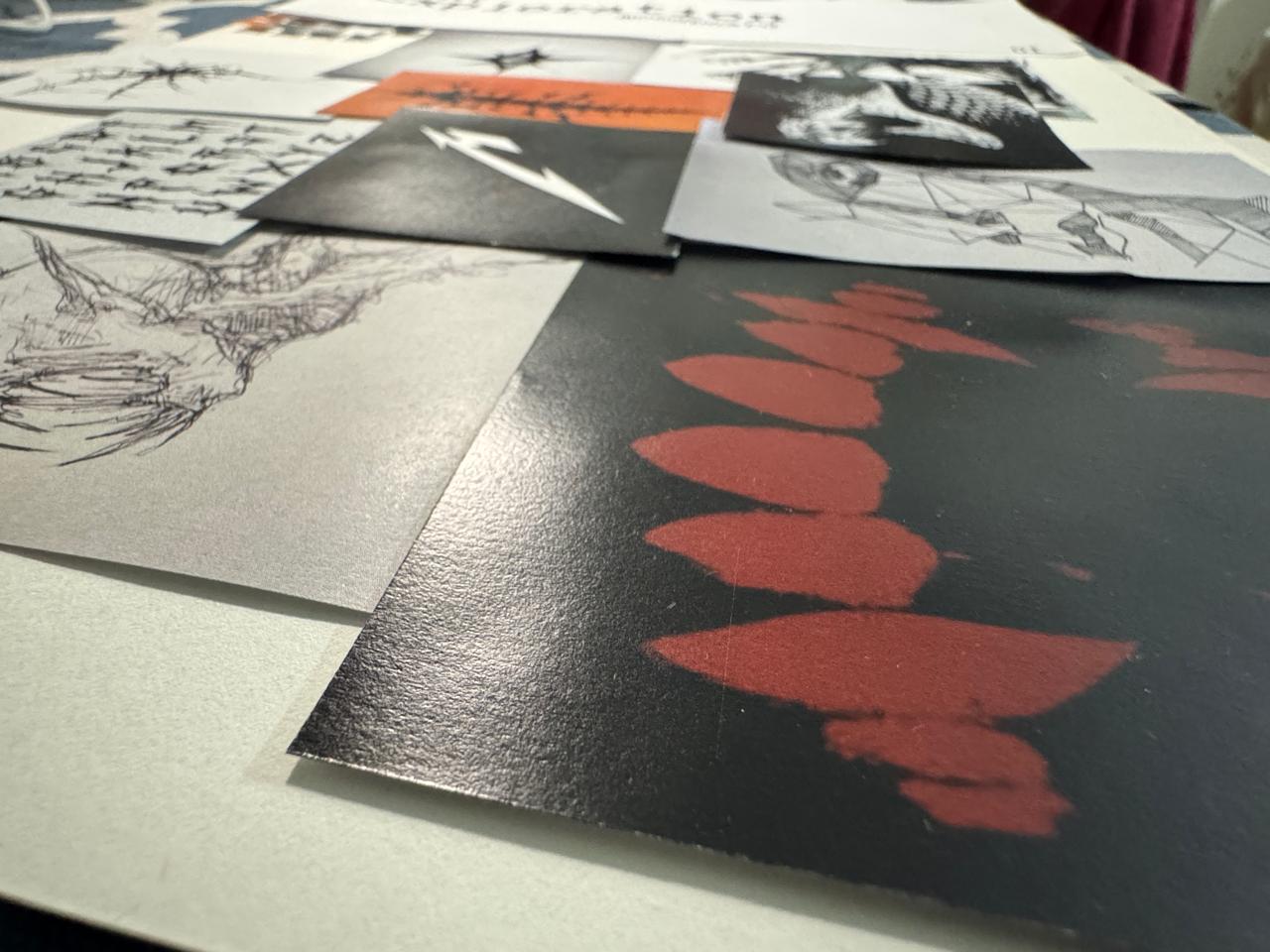
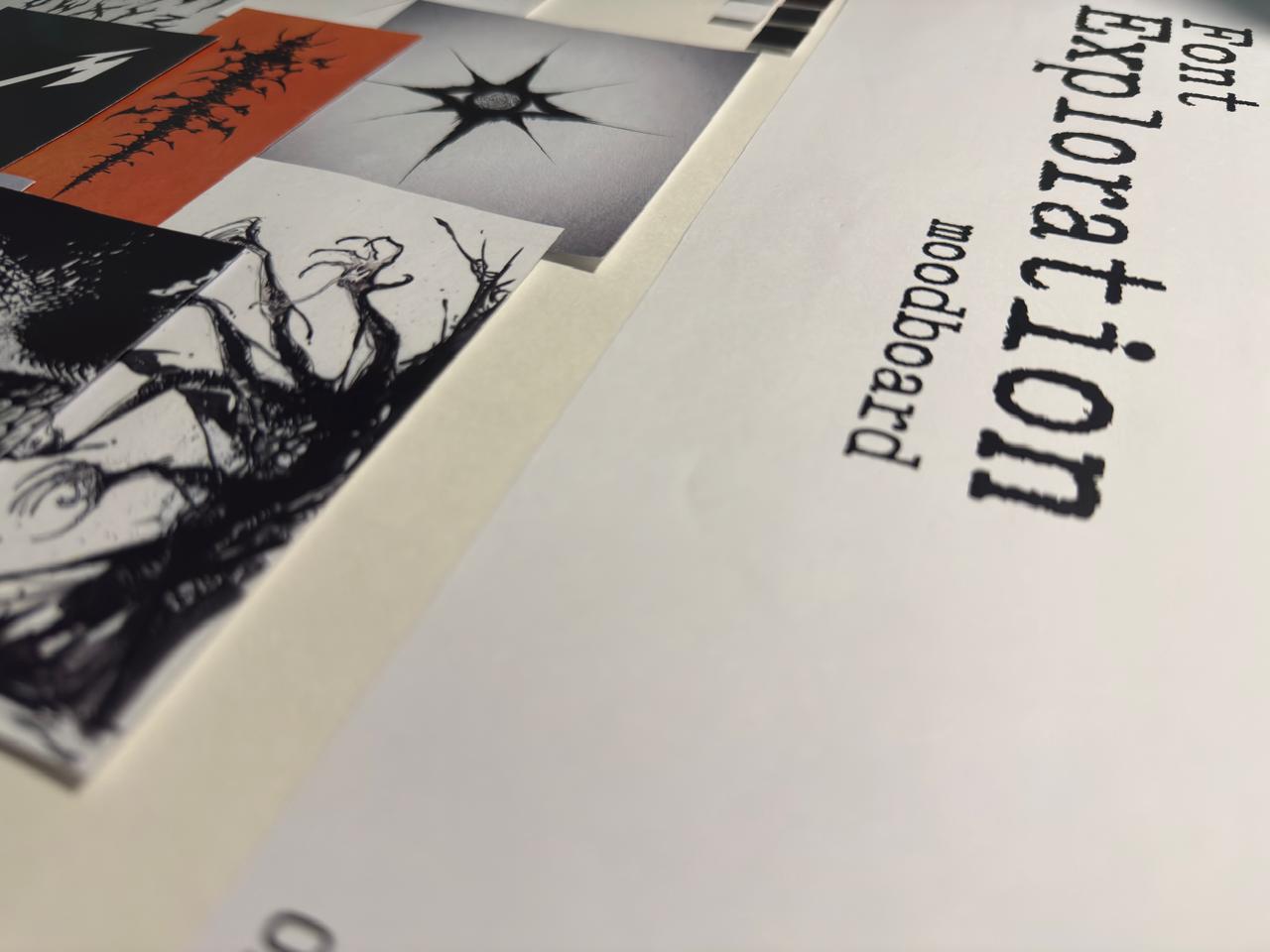
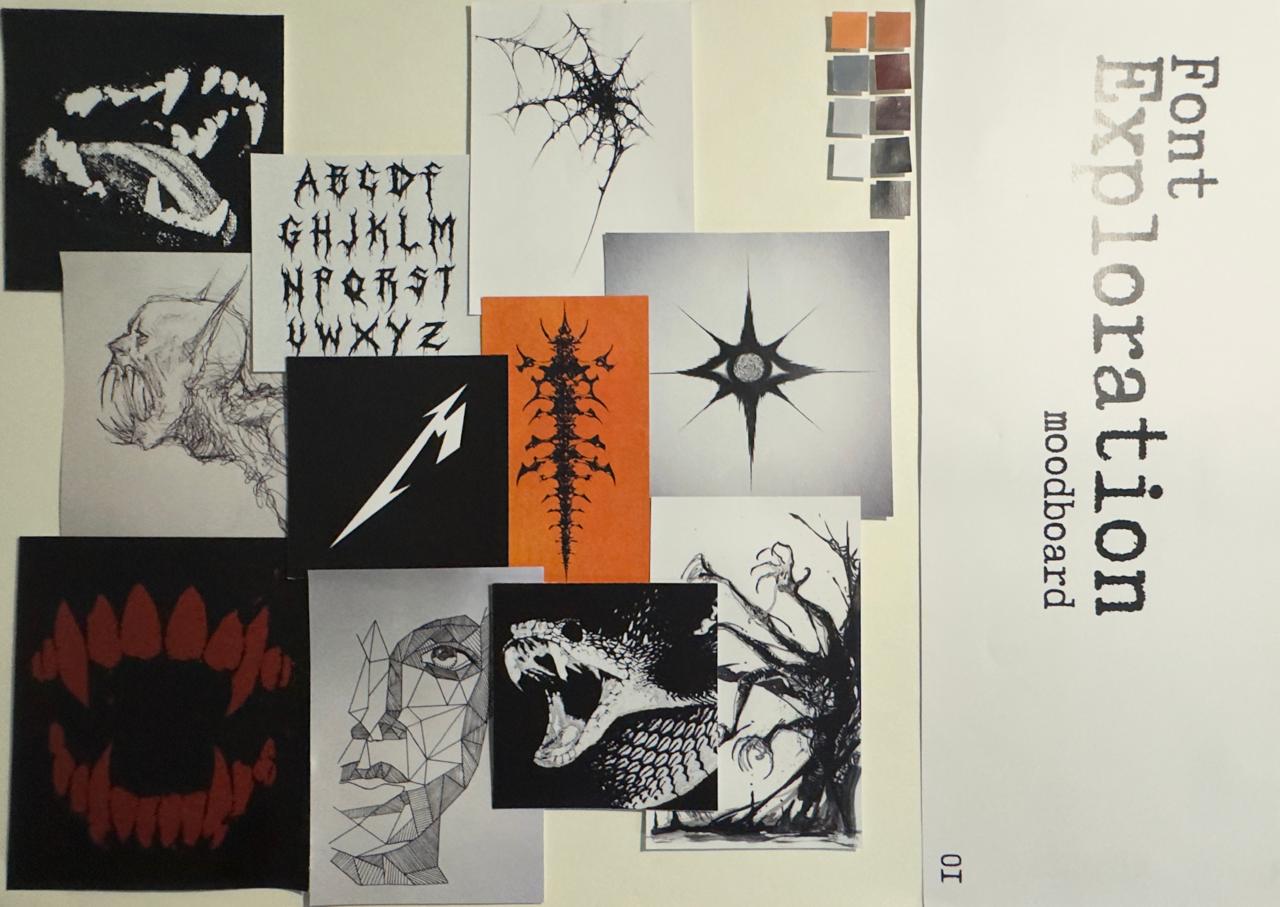
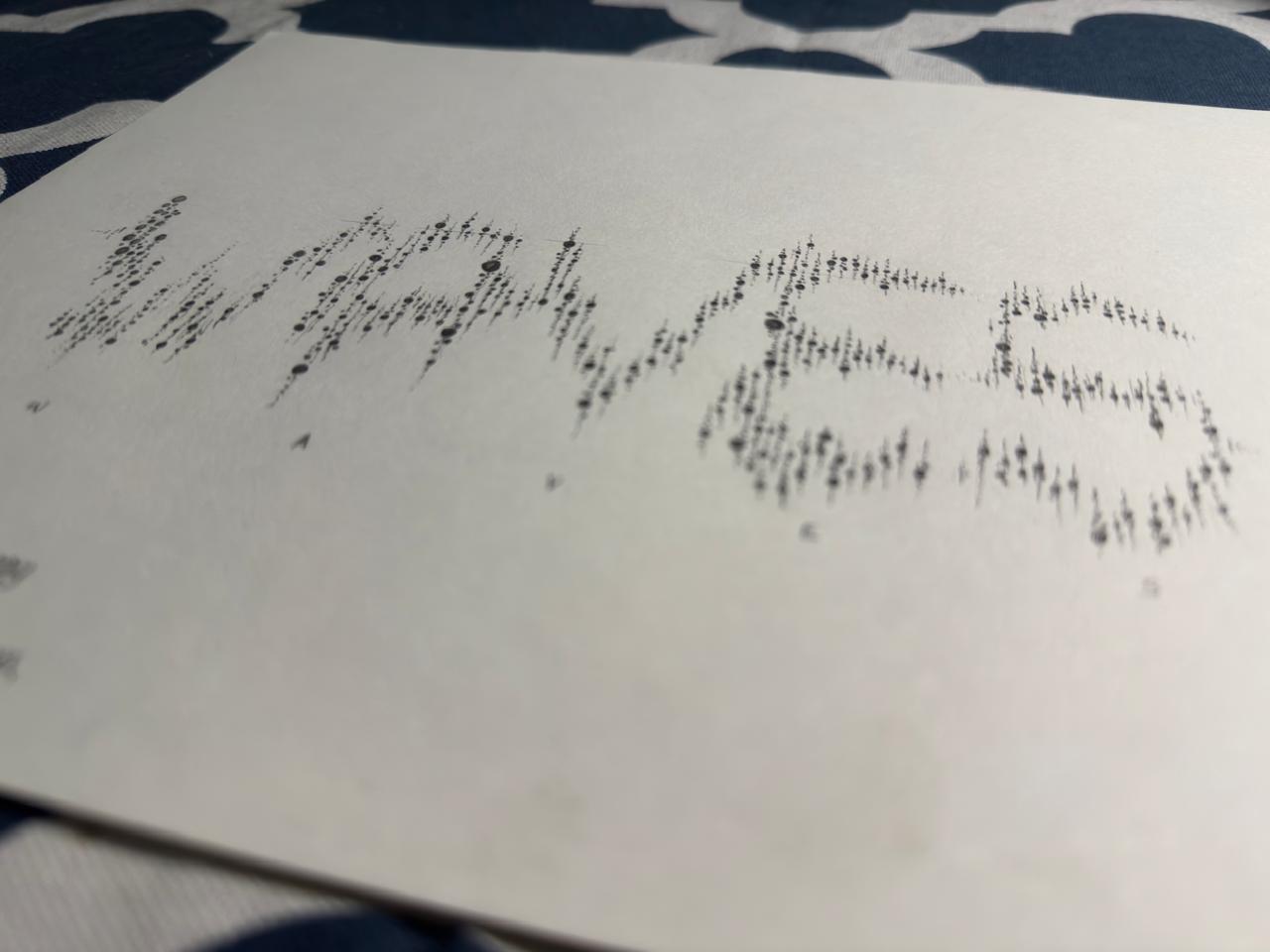
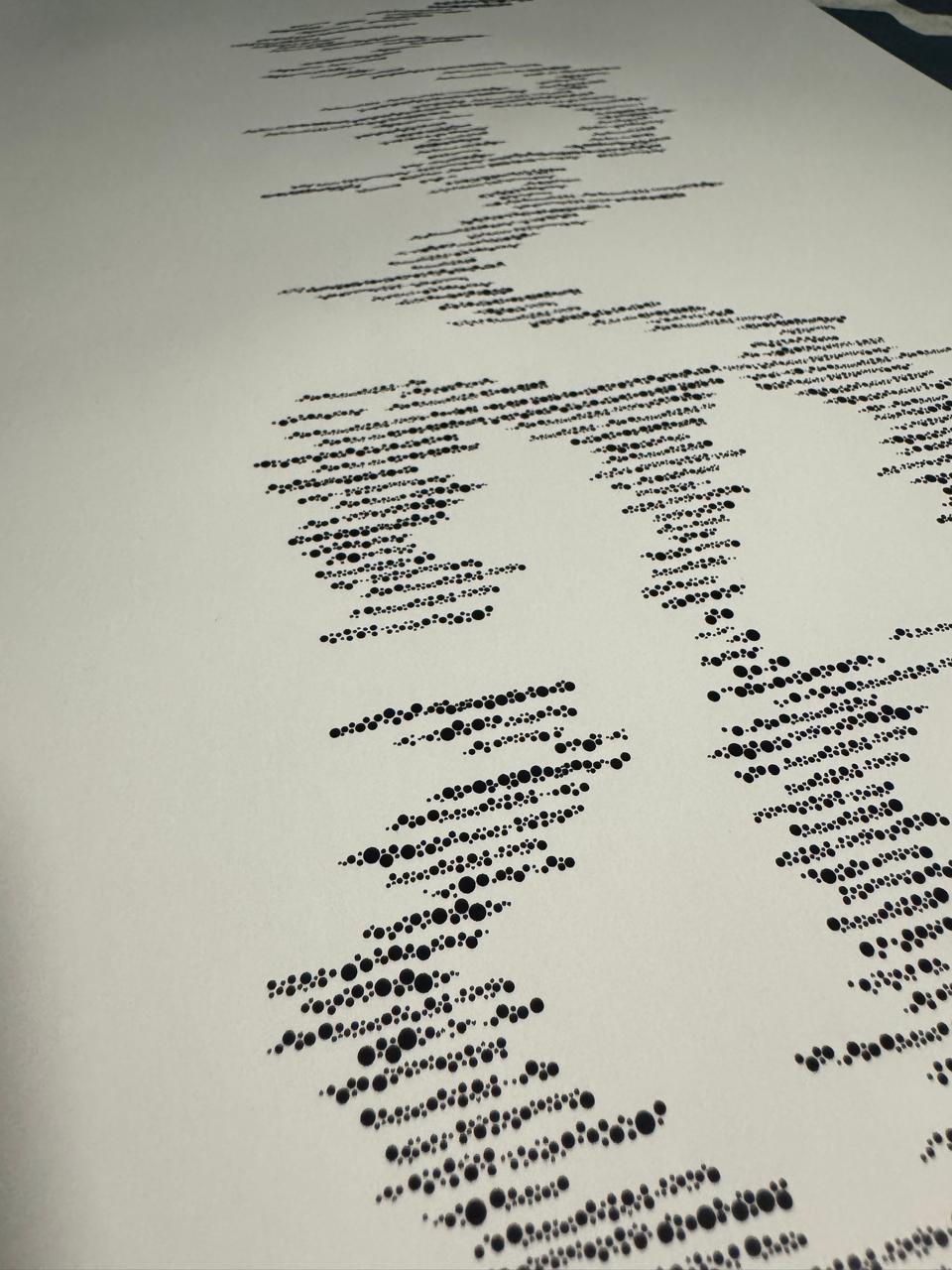
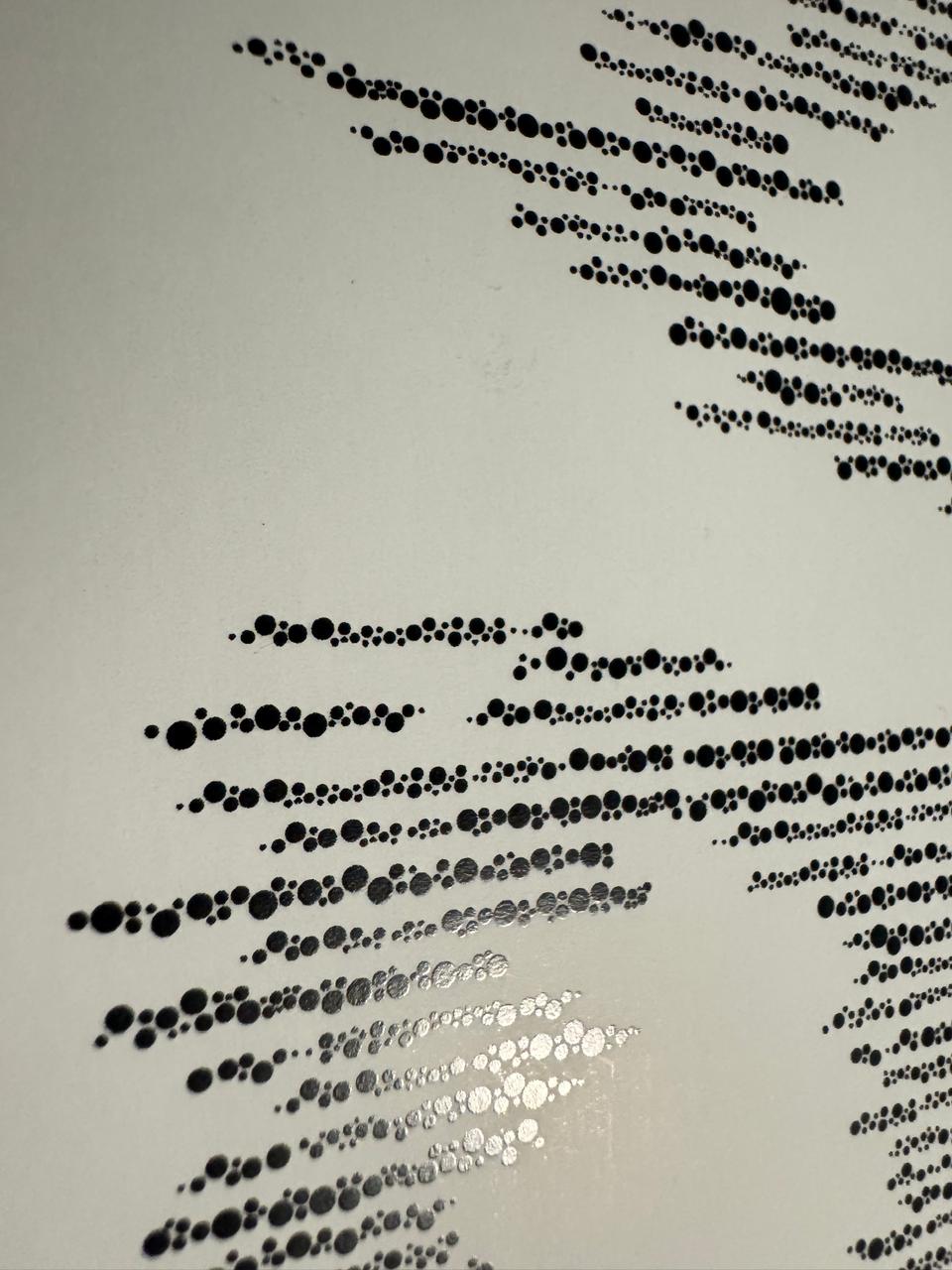
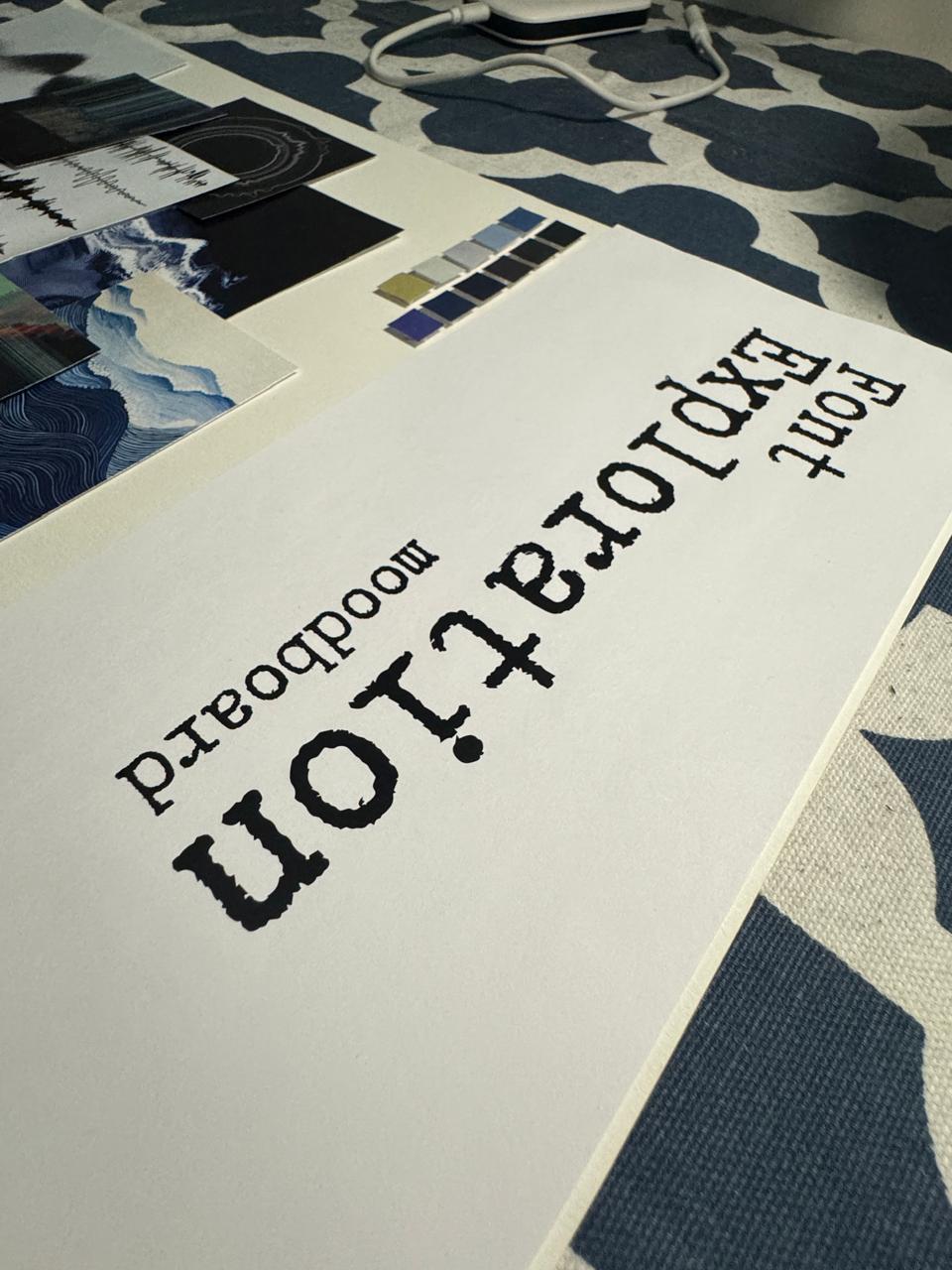
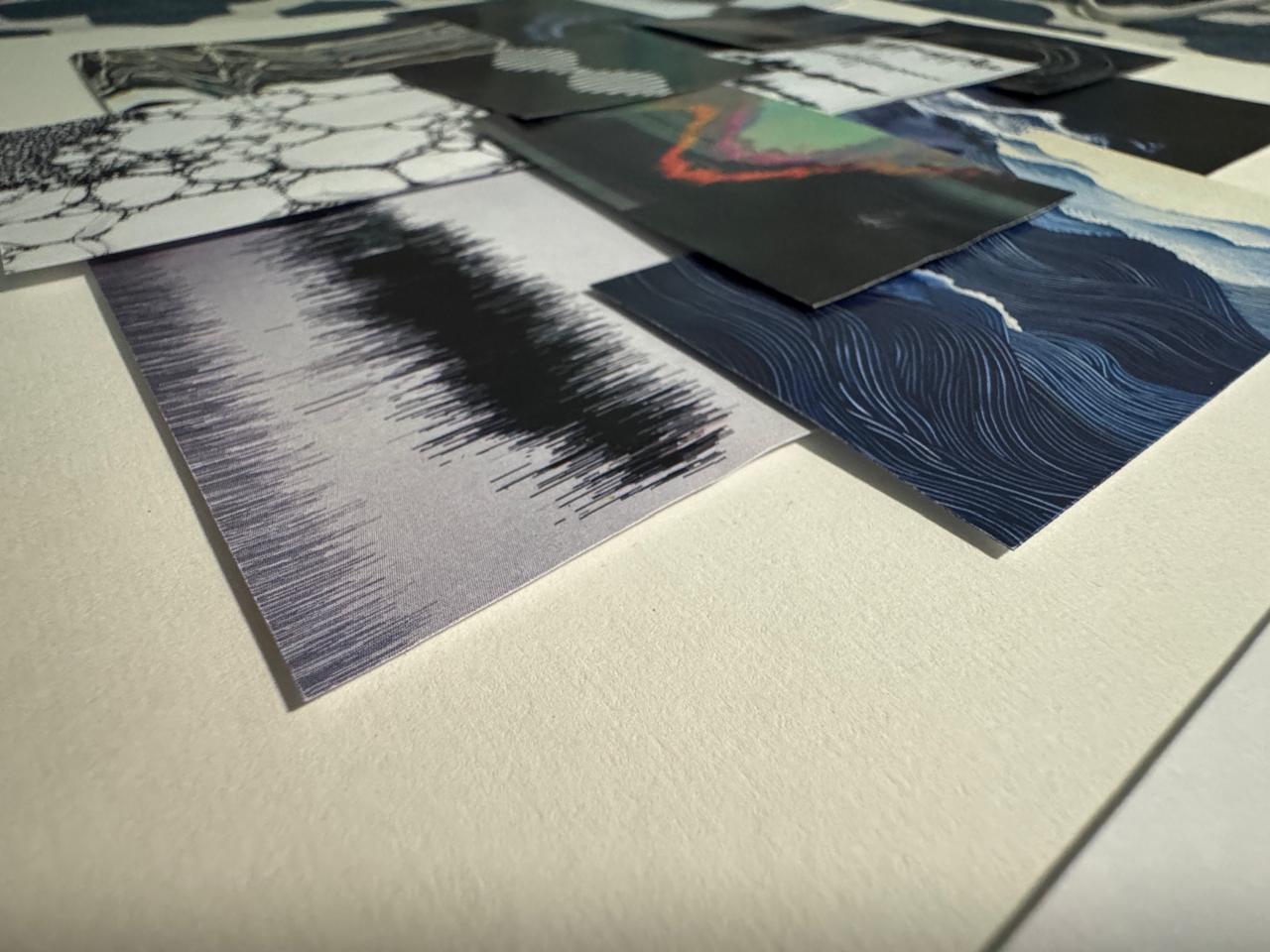
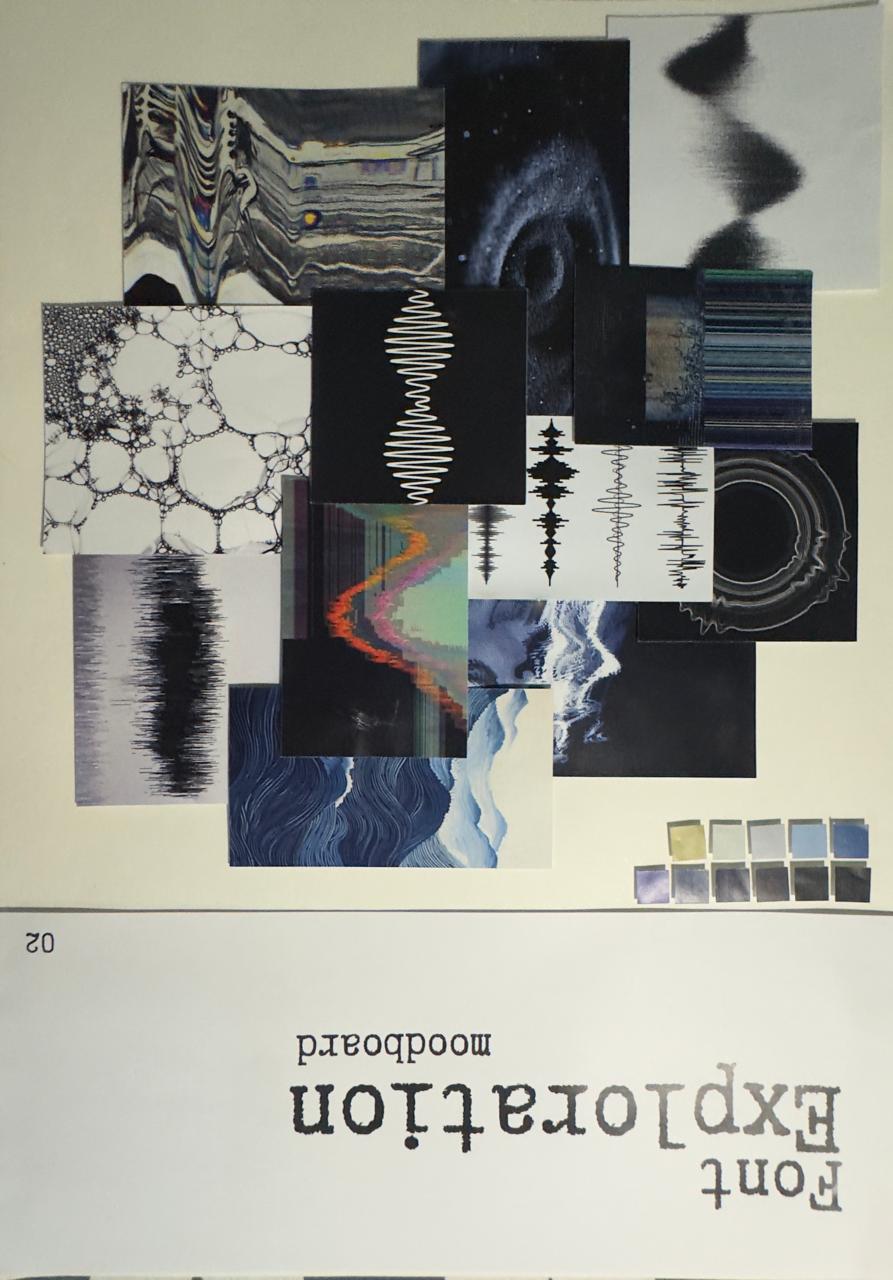
The assignment pushed typography beyond conventional rules of alignment, legibility, and structure. The focus was on breaking norms intentionally,
distorting, layering, fragmenting, or reconstructing letterforms to communicate mood and concept rather than just information.
Through material exploration, spatial manipulation, and unconventional compositions, the exercise emphasized idea-driven type. It helped develop
a stronger understanding of how typography can function as an expressive visual language, where meaning is conveyed not only through words,
but through form, texture, scale, and interaction.
The assignment pushed typography beyond conventional rules of alignment, legibility, and structure. The focus
was on breaking norms intentionally, distorting, layering, fragmenting, or reconstructing letterforms to
communicate mood and concept rather than just information.
Through material exploration, spatial manipulation, and unconventional compositions, the exercise emphasized
idea-driven type. It helped develop a stronger understanding of how typography can function as an expressive
visual language where meaning is conveyed not only through words, but through form, texture, scale,
and interaction.
This assignment focused on creating expressive
letterforms using traditional, manual tools such as
ink with wooden nibs, flat brushes, and rustica-inspired
strokes. The goal was to understand how pressure,
angle, texture, and hand movement influence form.
Instead of relying on digital precision, the emphasis
was on rhythm, stroke contrast, and the organic
imperfections that give character to type. It helped
build sensitivity toward structure, consistency, and the
physical construction of letterforms.
The assignment pushed typography beyond conventional rules of alignment, legibility, and structure.
The focus was on breaking norms intentionally, distorting, layering, fragmenting, or reconstructing
letterforms to communicate mood and concept rather than just information.
Through material exploration, spatial manipulation, and unconventional compositions, the exercise
emphasized idea-driven type. It helped develop a stronger understanding of how typography can
function as an expressive visual language where meaning is conveyed not only through words, but
through form, texture, scale, and interaction.
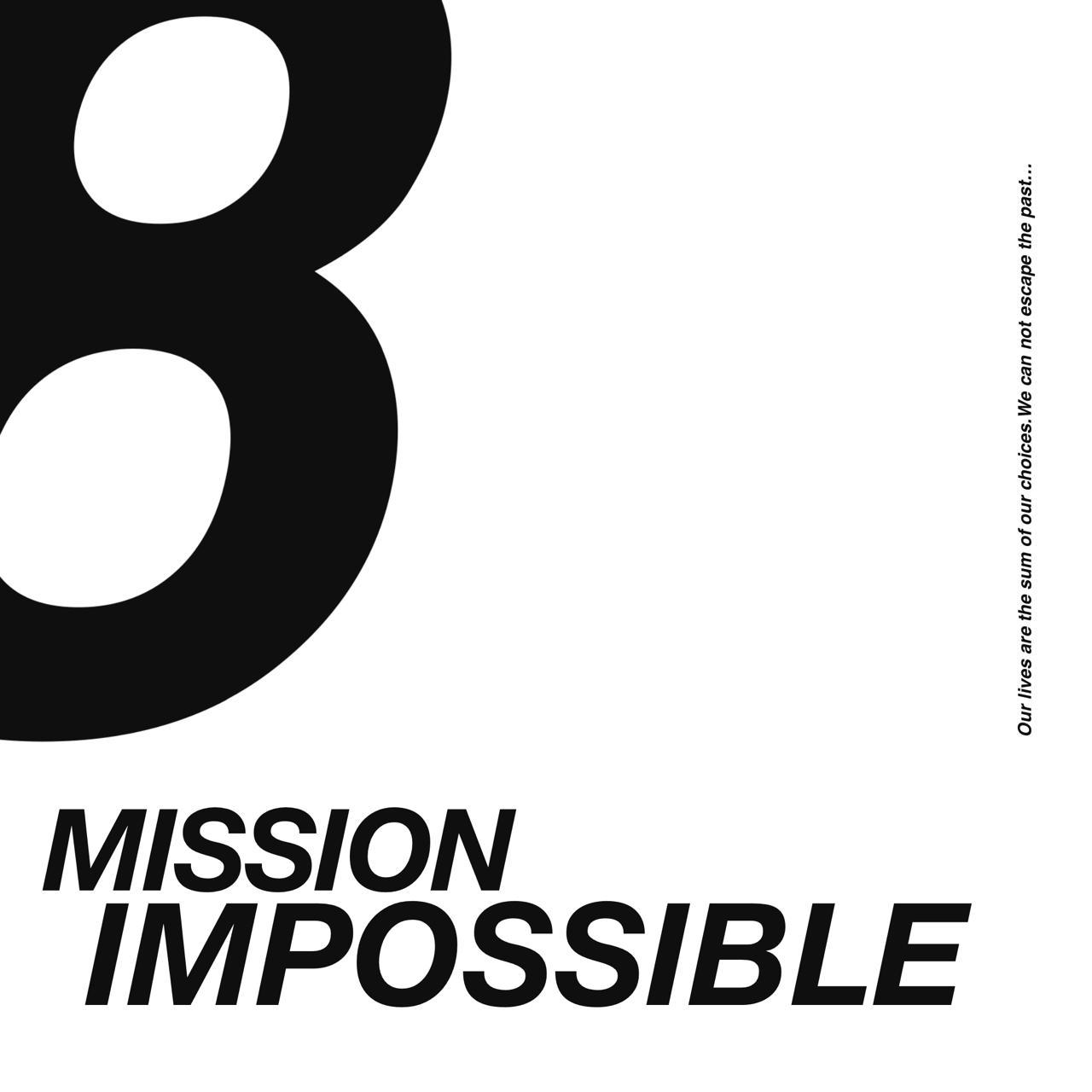
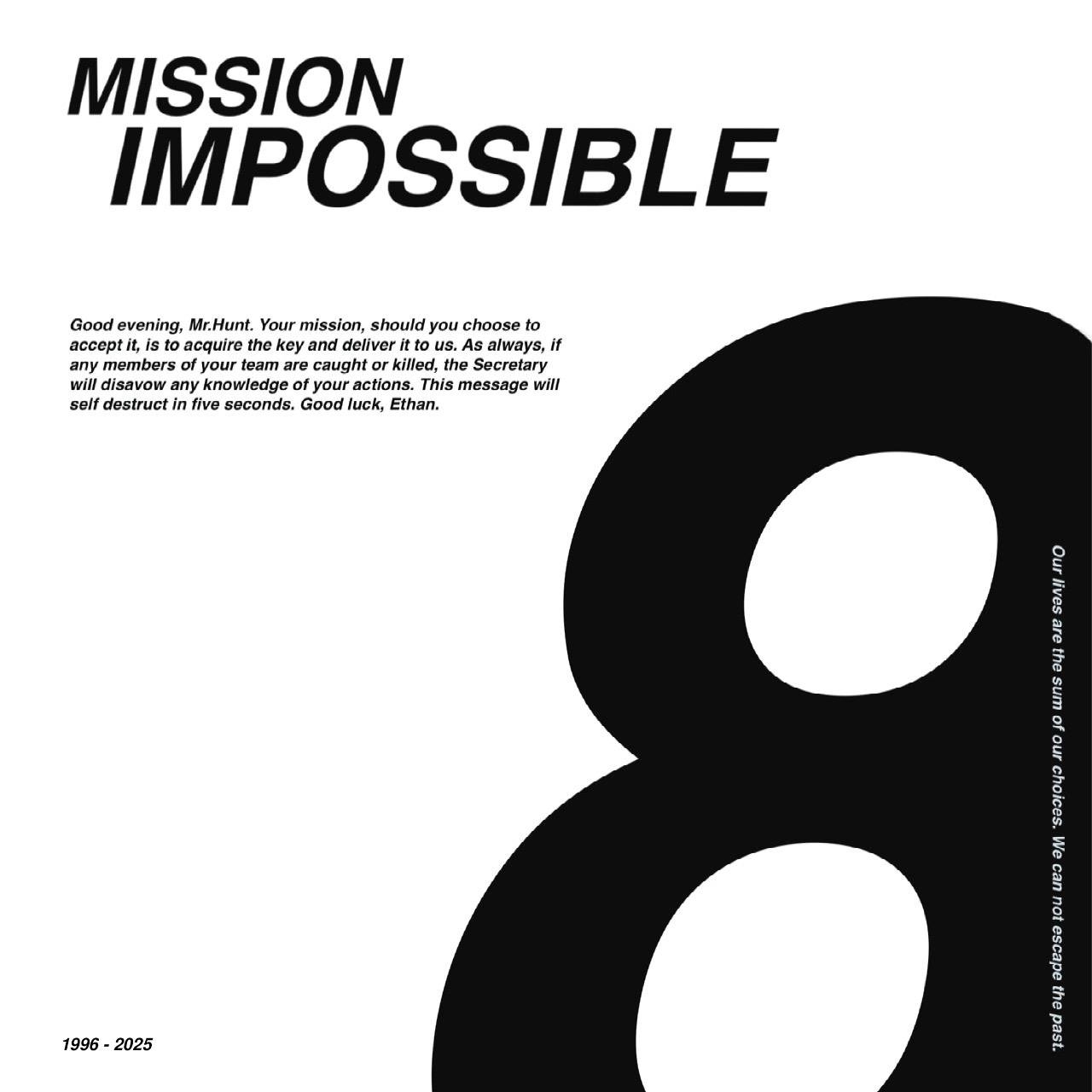
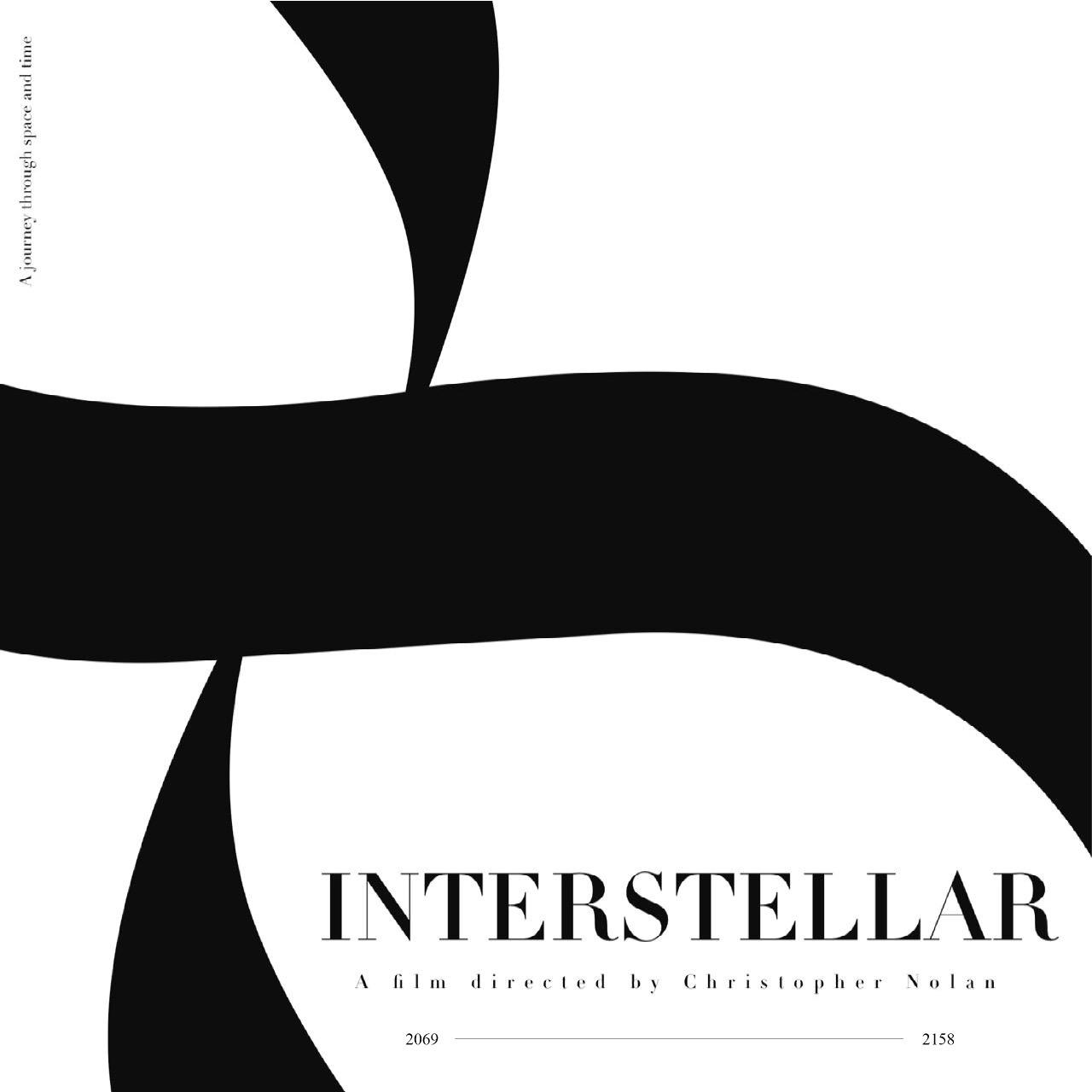
Typography posters
Typography posters
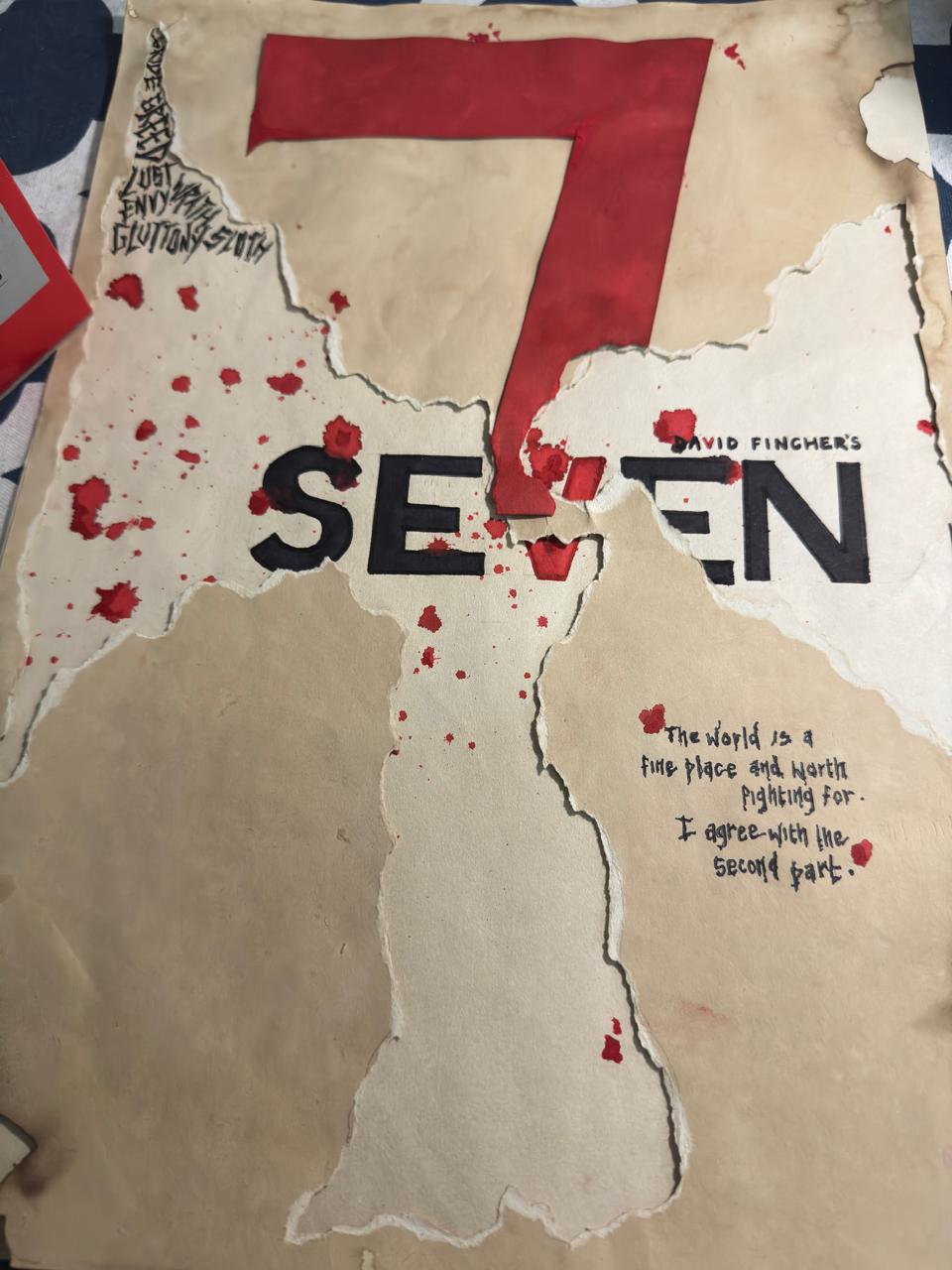
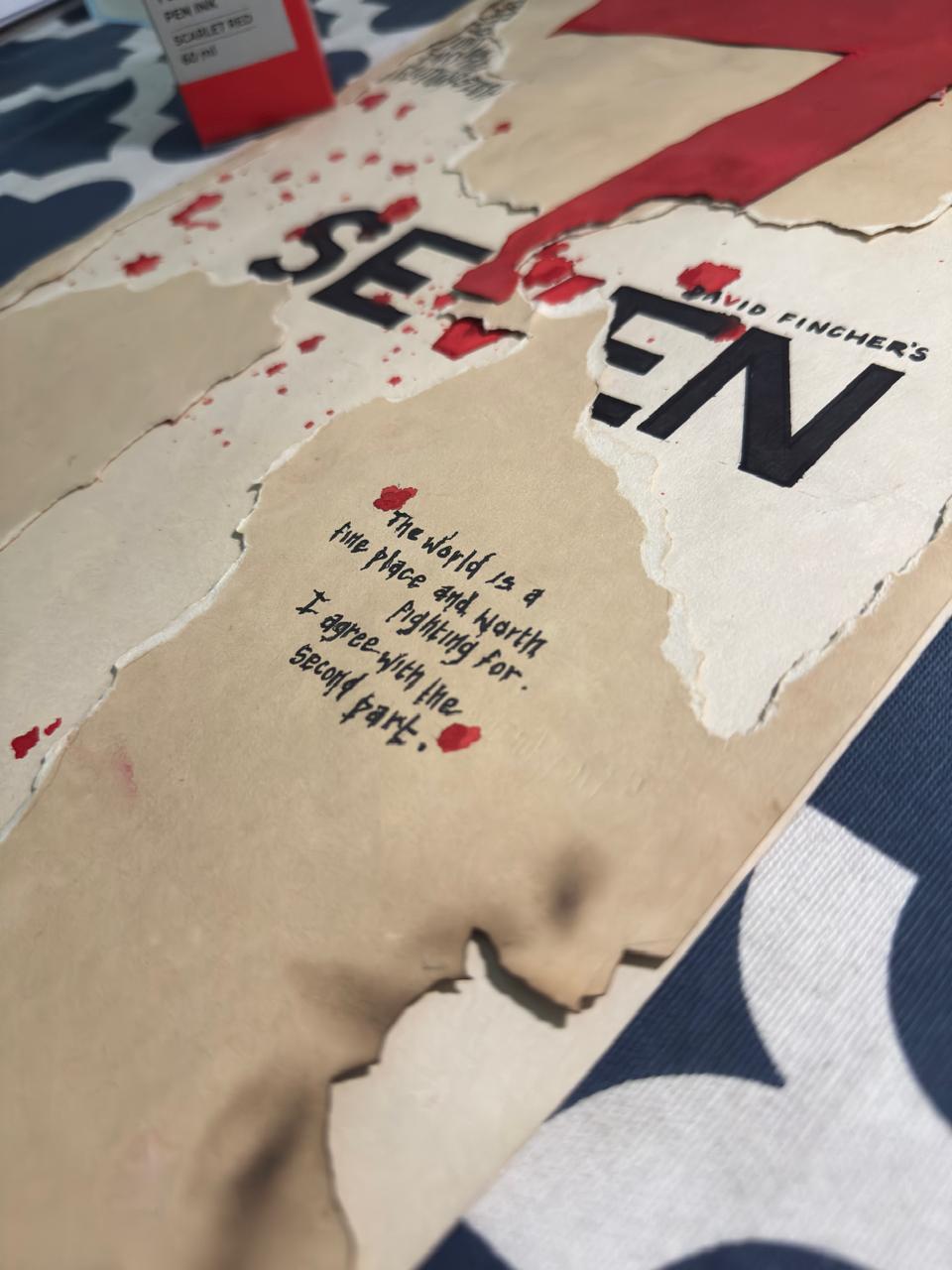
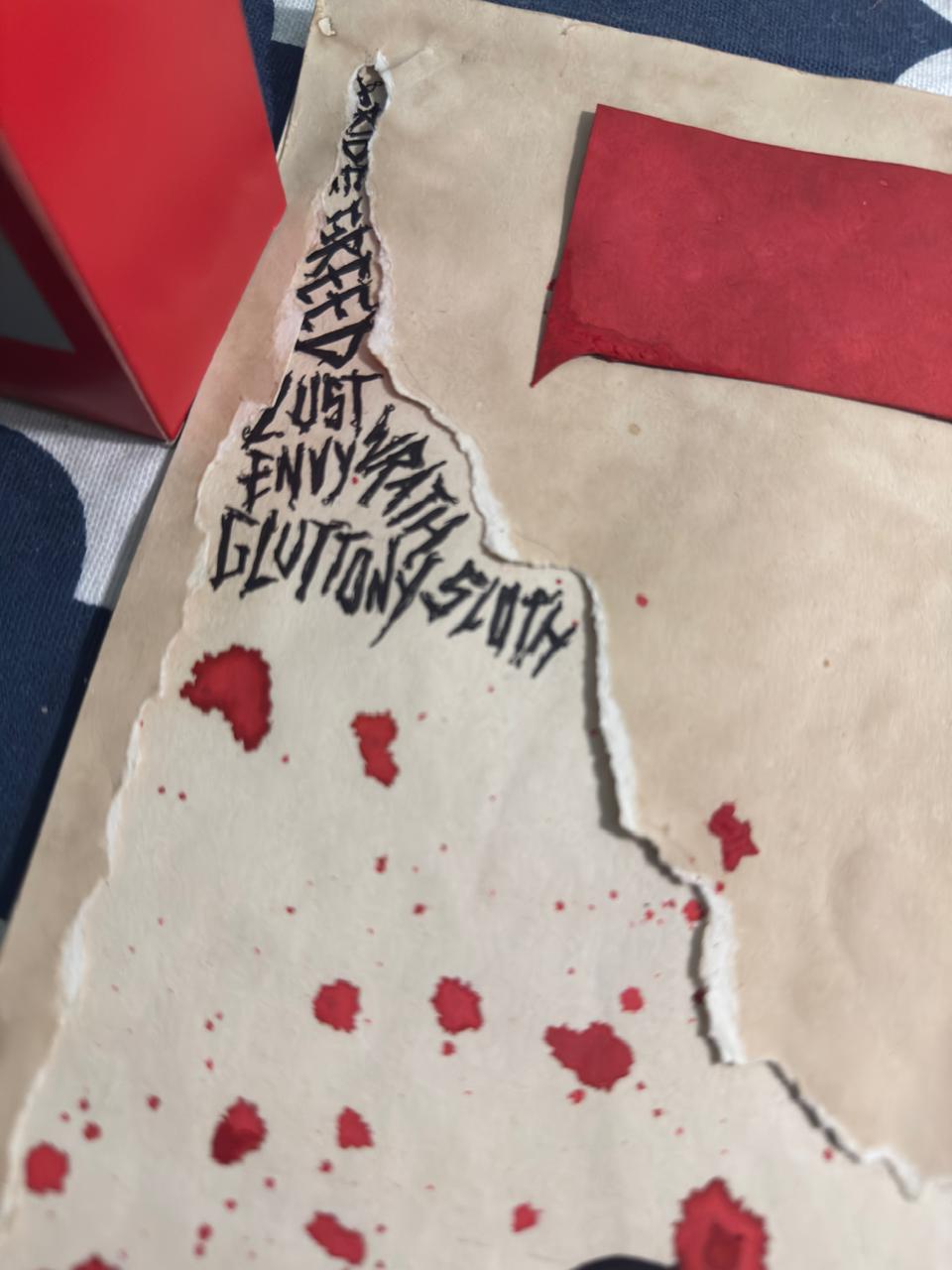
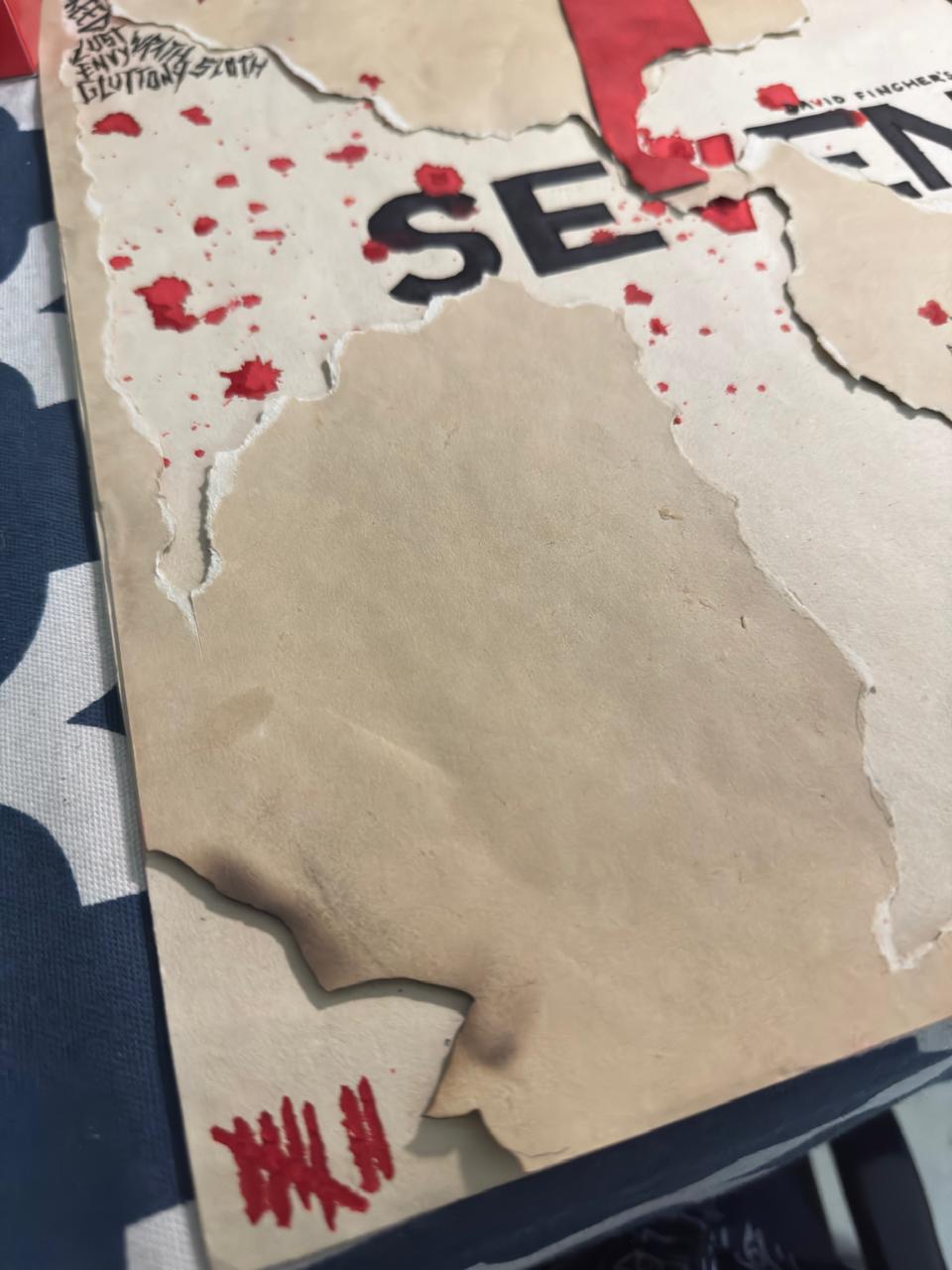
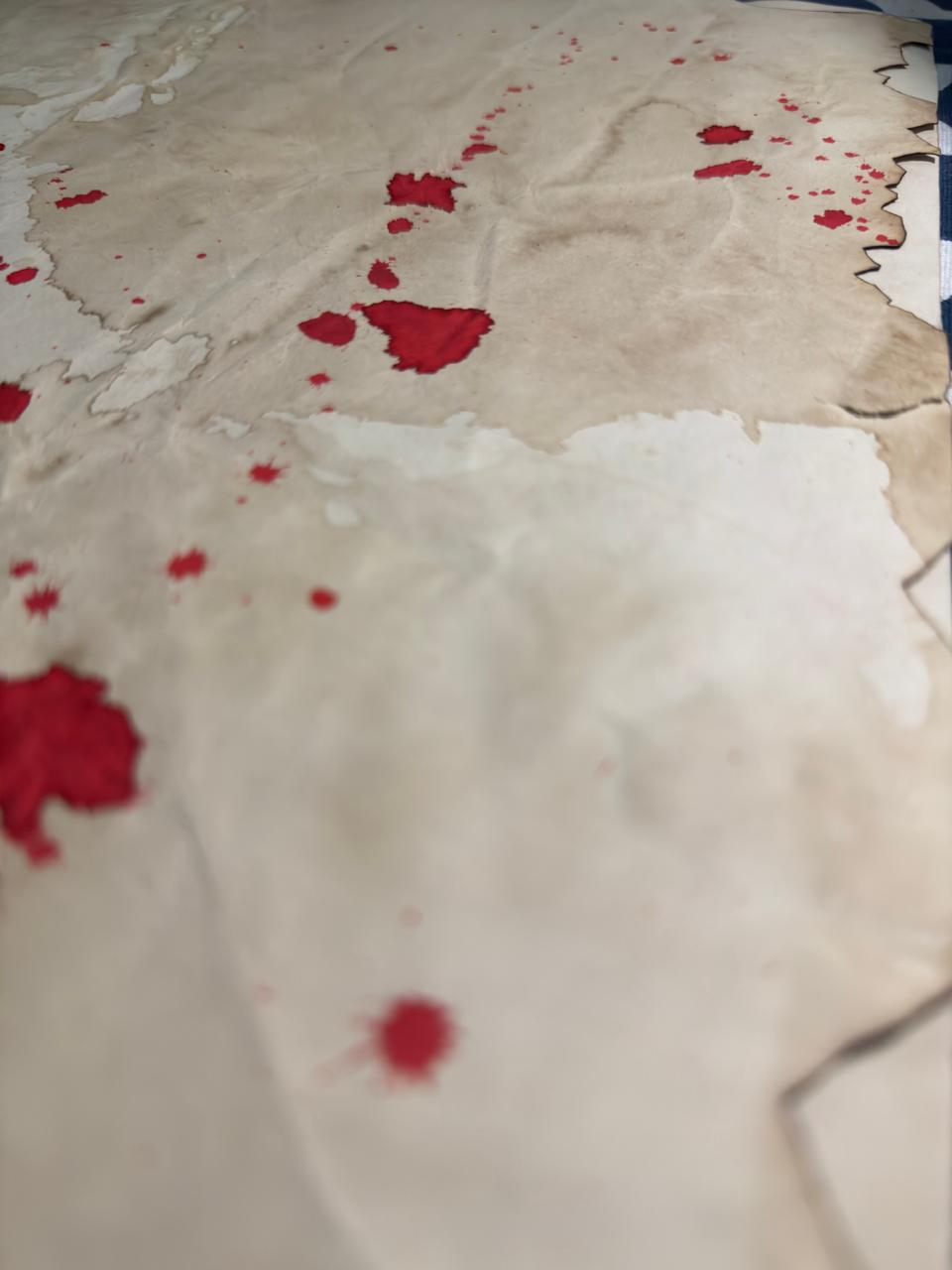
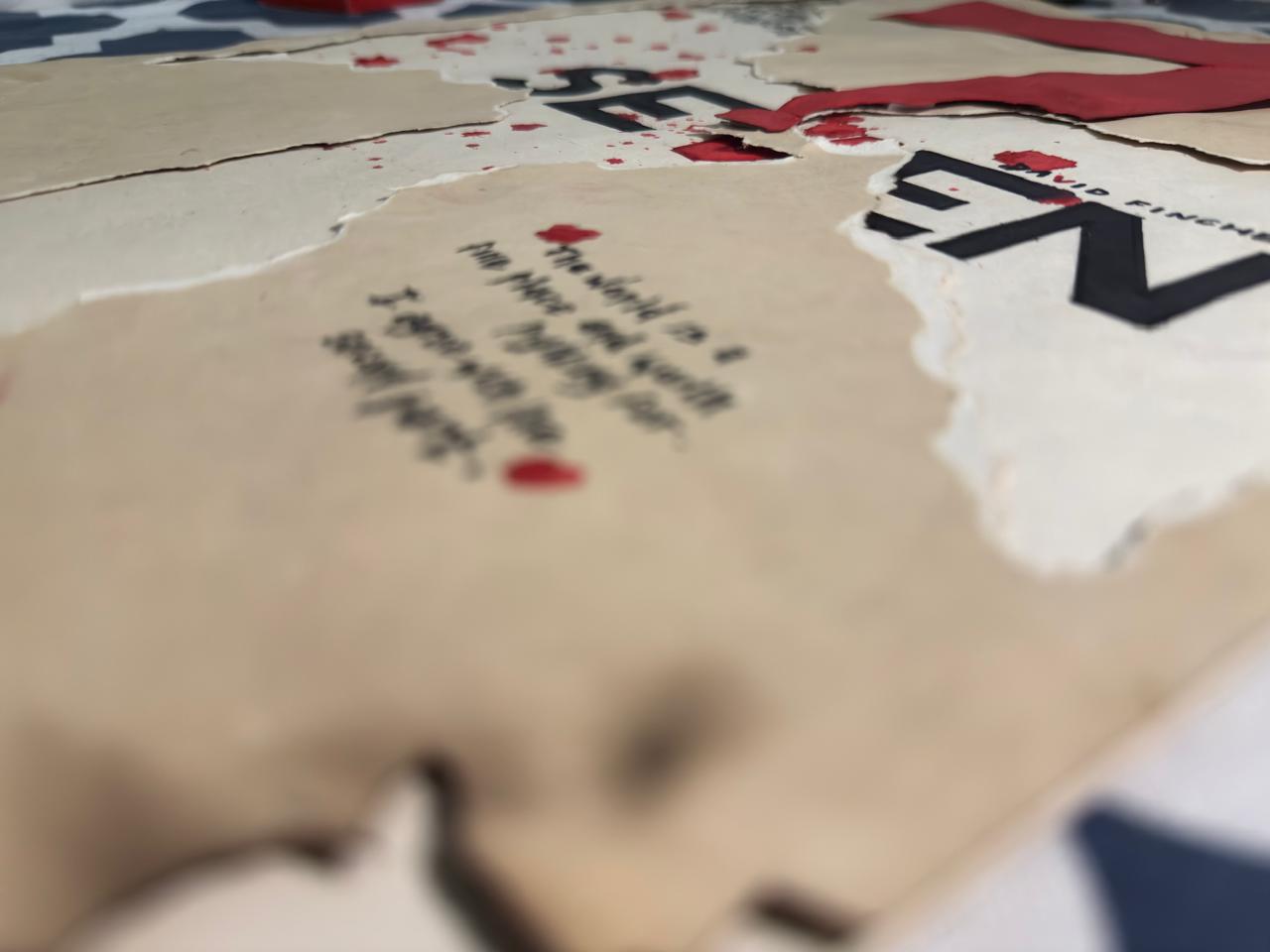
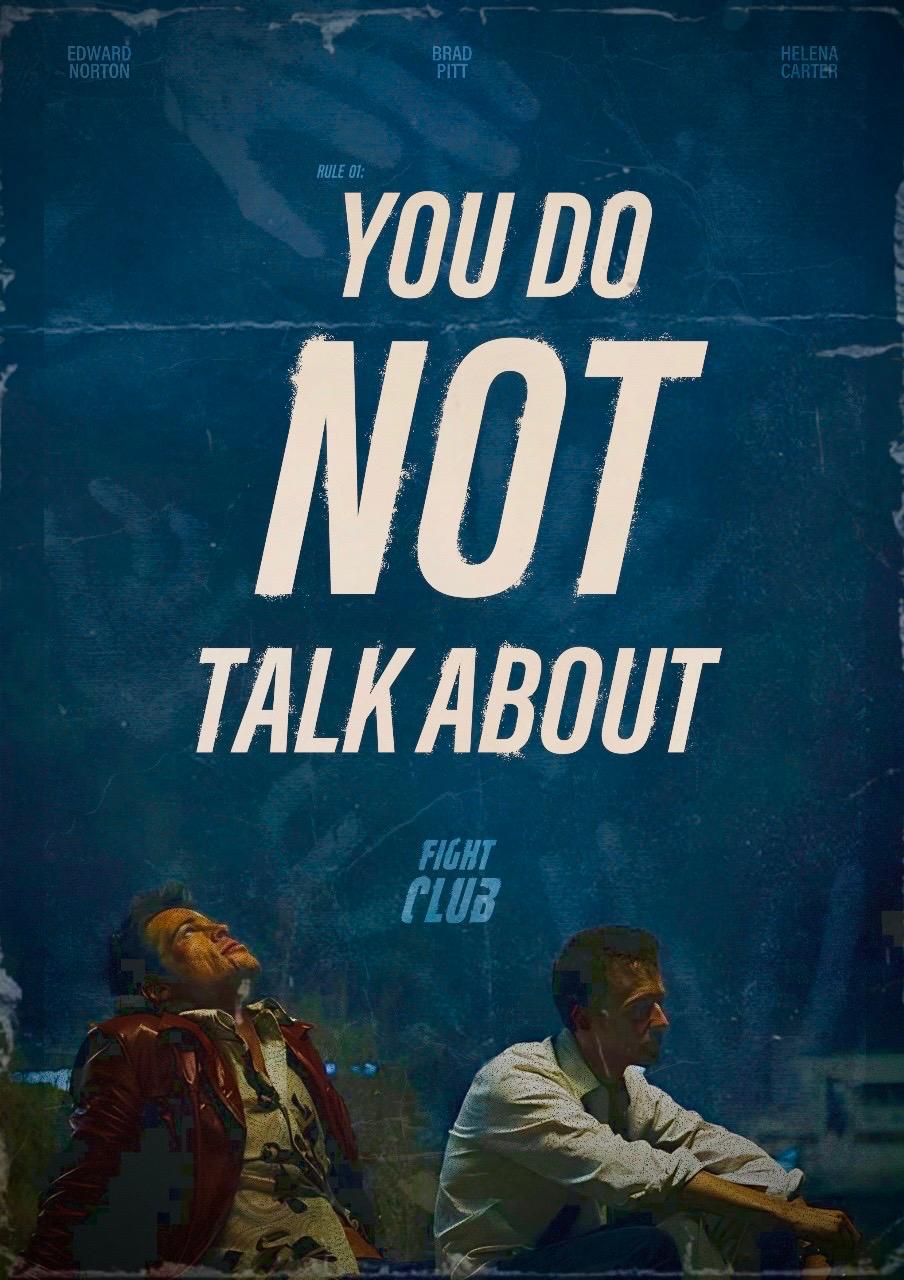
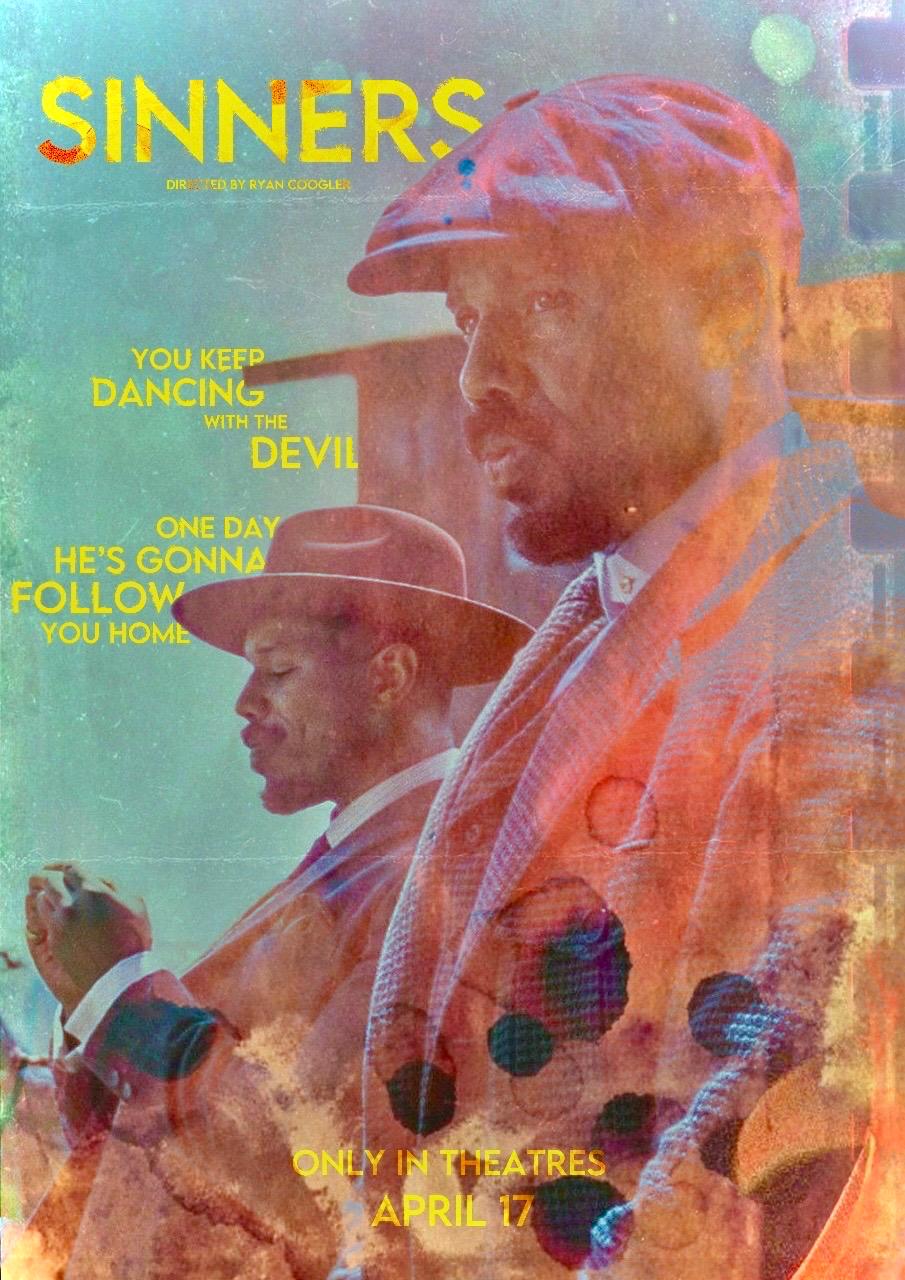
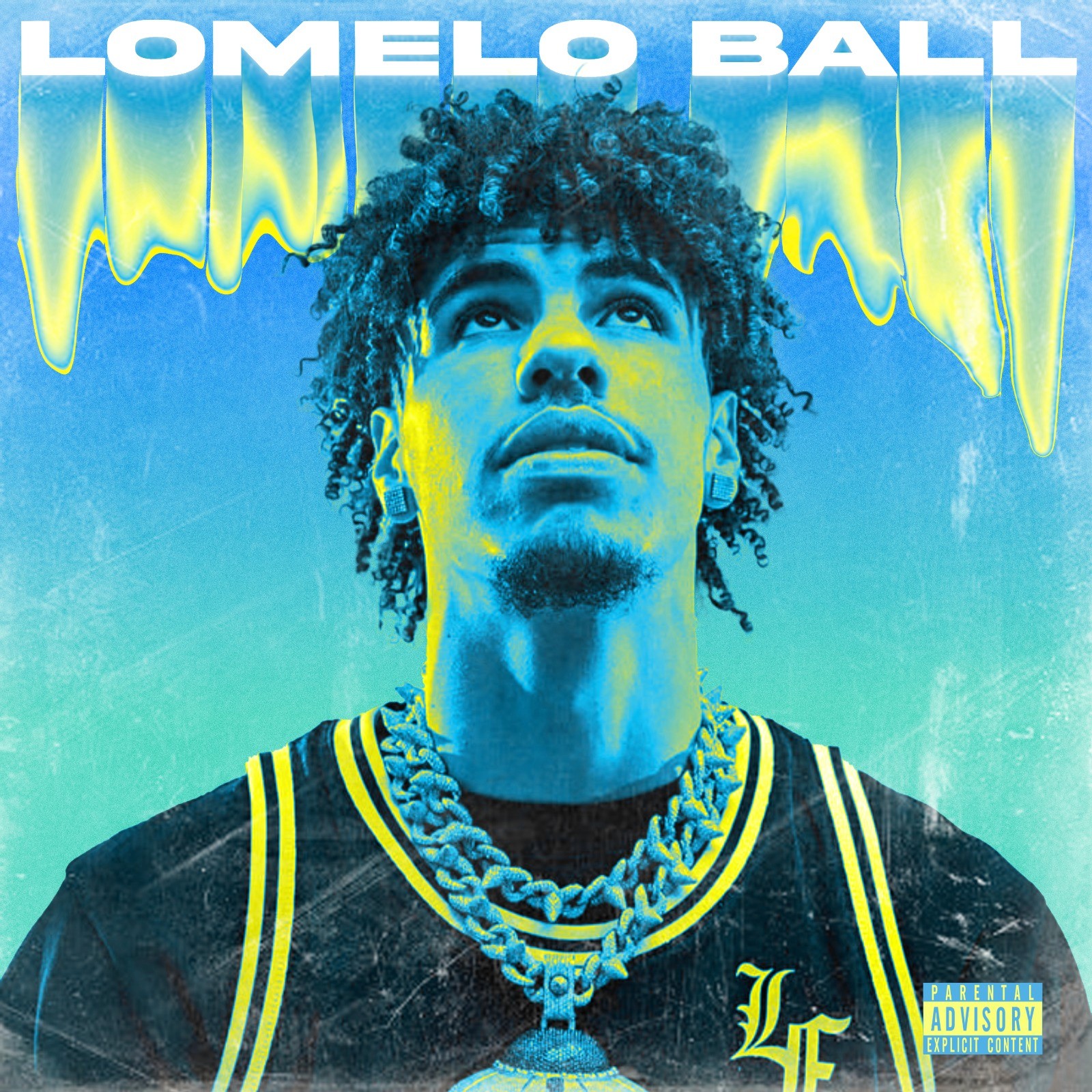


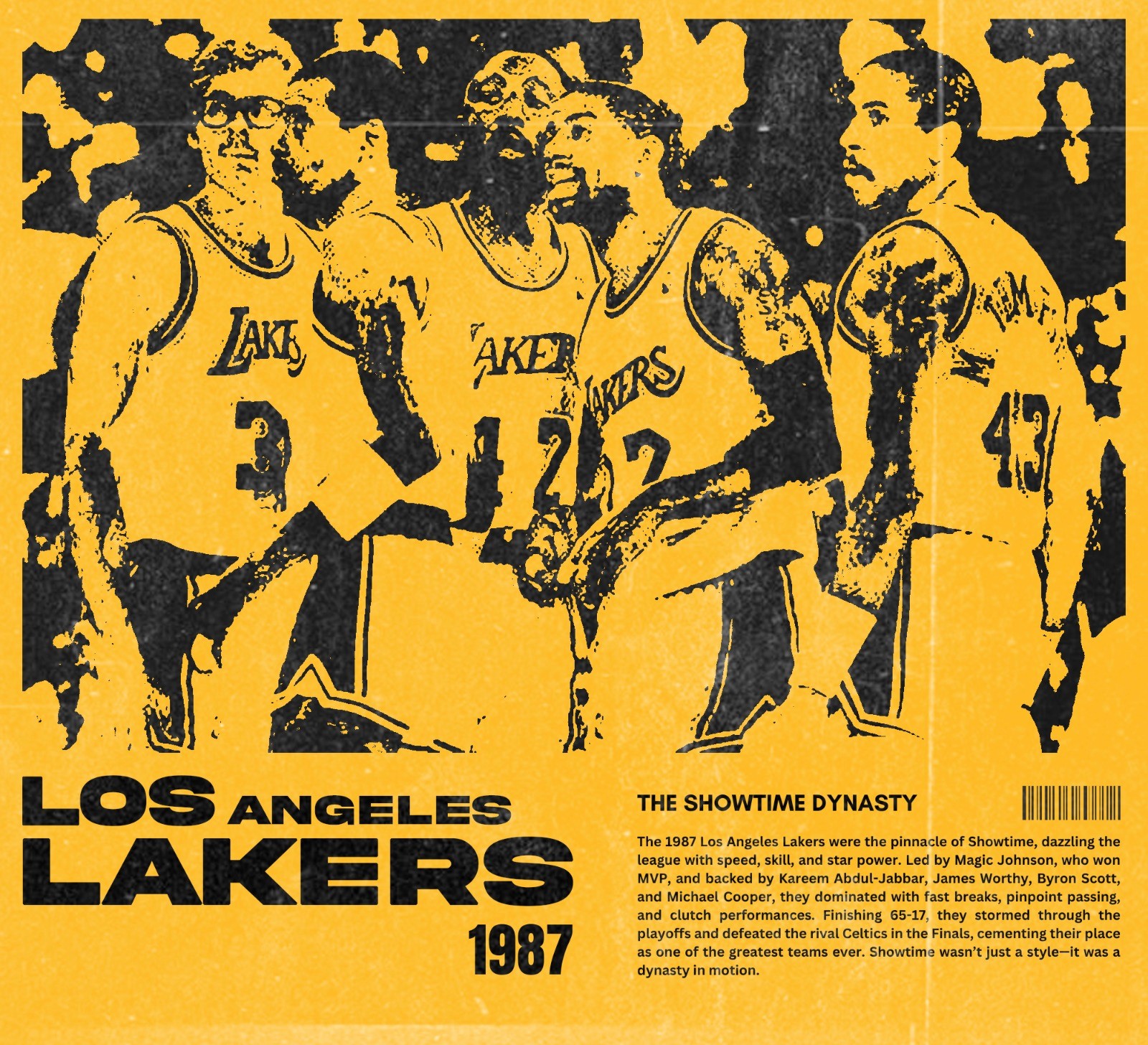
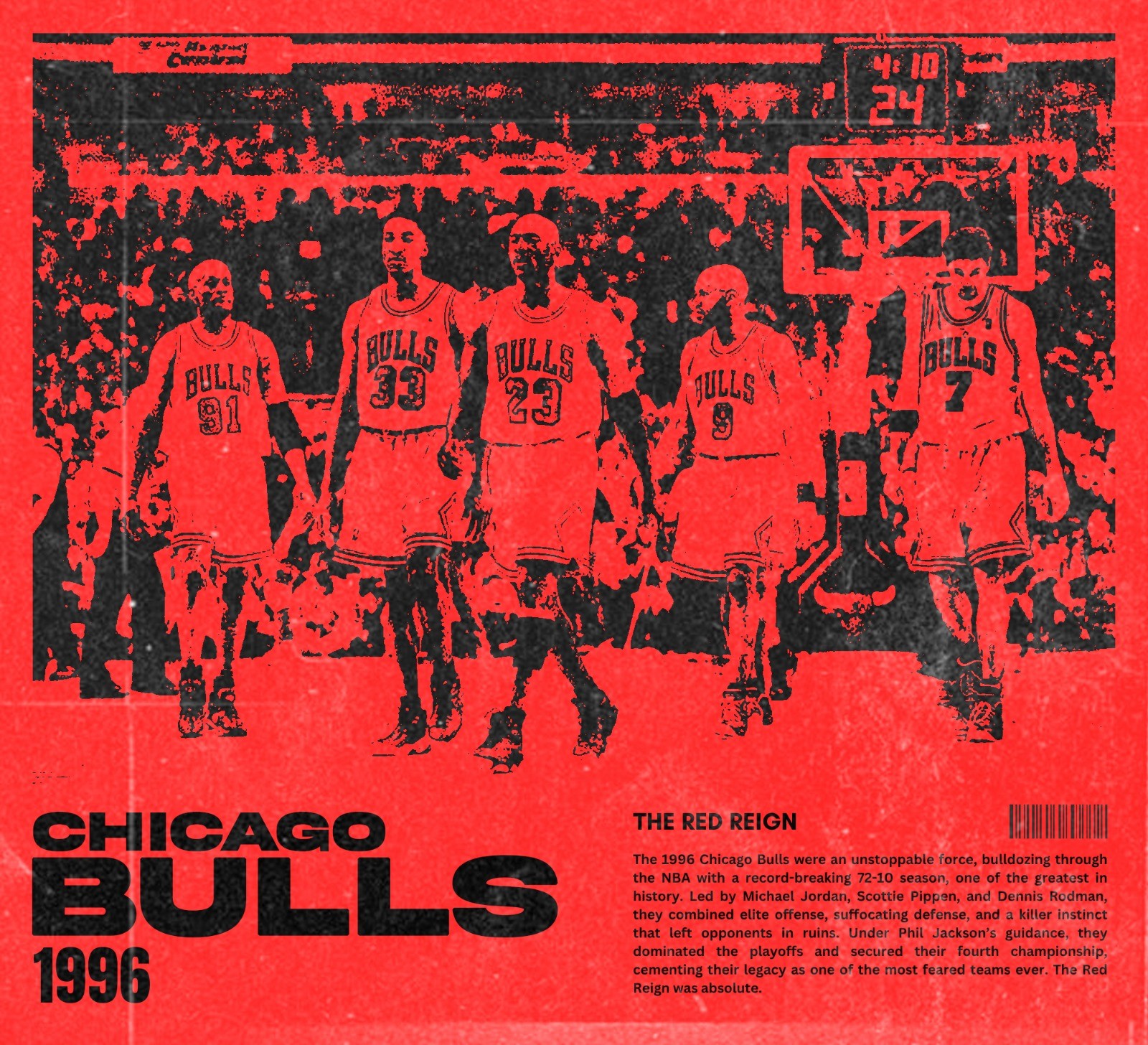
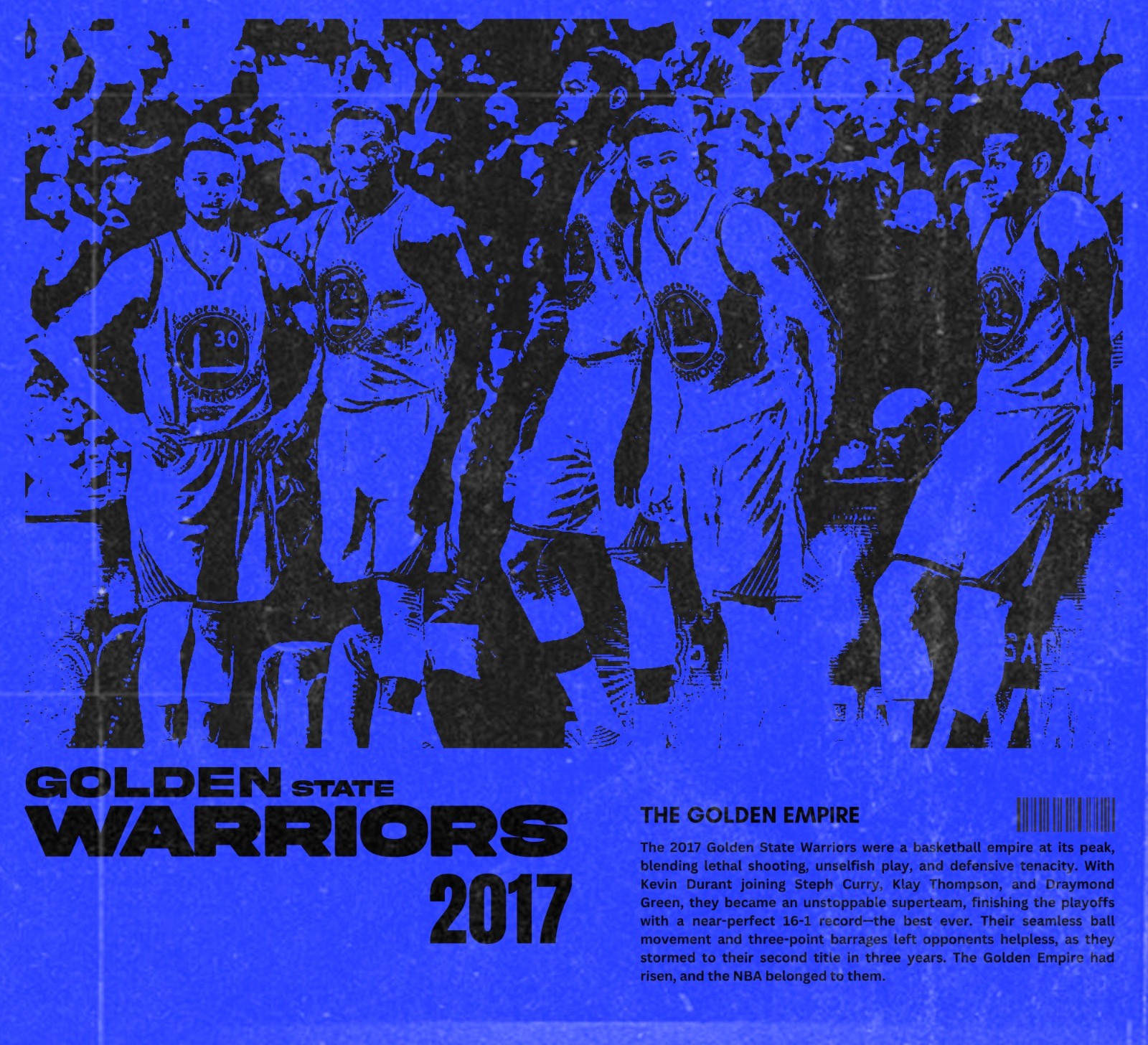
The assignment objective was to create posters where typography was not just informational, but the primary visual element shaping hierarchy, mood, and message.
Through careful decisions in font selection, scale, grid systems, alignment, and contrast, the exercise strengthened understanding of clarity and visual impact. It
emphasized how type alone without heavy imagery and can communicate tone, create rhythm, and command attention in a public visual space.
The assignment objective was to create posters where typography was not just informational, but the primary visual
element shaping hierarchy, mood, and message.
Through careful decisions in font selection, scale, grid systems, alignment, and contrast, the exercise strengthened
understanding of clarity and visual impact. It emphasized how type alone without heavy imagery and can
communicate tone, create rhythm, and command attention in a public visual space.
This assignment focused on creating expressive
letterforms using traditional, manual tools such as
ink with wooden nibs, flat brushes, and rustica-inspired
strokes. The goal was to understand how pressure,
angle, texture, and hand movement influence form.
Instead of relying on digital precision, the emphasis
was on rhythm, stroke contrast, and the organic
imperfections that give character to type. It helped
build sensitivity toward structure, consistency, and the
physical construction of letterforms.
The assignment objective was to create posters where typography was not just informational,
but the primary visual element shaping hierarchy, mood, and message.
Through careful decisions in font selection, scale, grid systems, alignment, and contrast, the
exercise strengthened understanding of clarity and visual impact. It emphasized how type alone
without heavy imagery and can communicate tone, create rhythm, and command attention in a
public visual space.
Typography magazine
Typography magazine
THIS IS HOW I SEE IT ( VOL 01 ): GAWX
CREATIVE STUDY OF YOUTUBE ARTIST, FILMMAKER AND ENTREPRENEUR
This assignment focused on designing a complete editorial publication from concept to final layout. The objective
was to apply typographic systems across multiple spreads while maintaining consistency, hierarchy, and readability.
Through the creation of grids, margin systems, cover design, masthead development, and structured content flow,
the module emphasized how typography drives narrative in long-form design.
The magazine project required balancing text, image, white space, and visual rhythm across sections — from feature
articles to pull quotes and captions. It strengthened understanding of publication hierarchy, alignment discipline,
typographic pairing, and pacing across spreads.
This assignment focused on designing a complete editorial publication from concept to final layout. The objective was
to apply typographic systems across multiple spreads while maintaining consistency, hierarchy, and readability.
Through the creation of grids, margin systems, cover design, masthead development, and structured content flow,
the module emphasized how typography drives narrative in long-form design.
The magazine project required balancing text, image, white space, and visual rhythm across sections — from feature
articles to pull quotes and captions. It strengthened understanding of publication hierarchy, alignment discipline,
typographic pairing, and pacing across spreads.
This assignment focused on creating expressive
letterforms using traditional, manual tools such as
ink with wooden nibs, flat brushes, and rustica-inspired
strokes. The goal was to understand how pressure,
angle, texture, and hand movement influence form.
Instead of relying on digital precision, the emphasis
was on rhythm, stroke contrast, and the organic
imperfections that give character to type. It helped
build sensitivity toward structure, consistency, and the
physical construction of letterforms.
This assignment focused on designing a complete editorial publication from concept to final layout.
The objective was to apply typographic systems across multiple spreads while maintaining consistency,
hierarchy, and readability. Through the creation of grids, margin systems, cover design, masthead
development, and structured content flow, the module emphasized how typography drives narrative in
long-form design.
The magazine project required balancing text, image, white space, and visual rhythm across sections
from feature articles to pull quotes and captions. It strengthened understanding of publication hierarchy,
alignment discipline,
typographic pairing, and pacing across spreads.