Design and AI
00

An introduction to the module
This module focused on integrating AI into real-world communication design systems through structured, research-led workflows. Working in a team, we collaborated with a live client, Insight Engineers, a design-driven mechanical manufacturing firm with minimal digital presence. The project required us to understand the business deeply before moving into execution, ensuring that AI was used with intention rather than randomness.
Module length: 11 days
The process began with primary research, multiple client interviews, structured questionnaires, transcription, insight extraction, and analysis. We developed research instruments, built audience personas, mapped value exchanges through journey maps, and identified brand attributes, misconceptions, and positioning opportunities. A shared FigJam workspace functioned as our collaborative research board, helping us organize insights and align decisions.
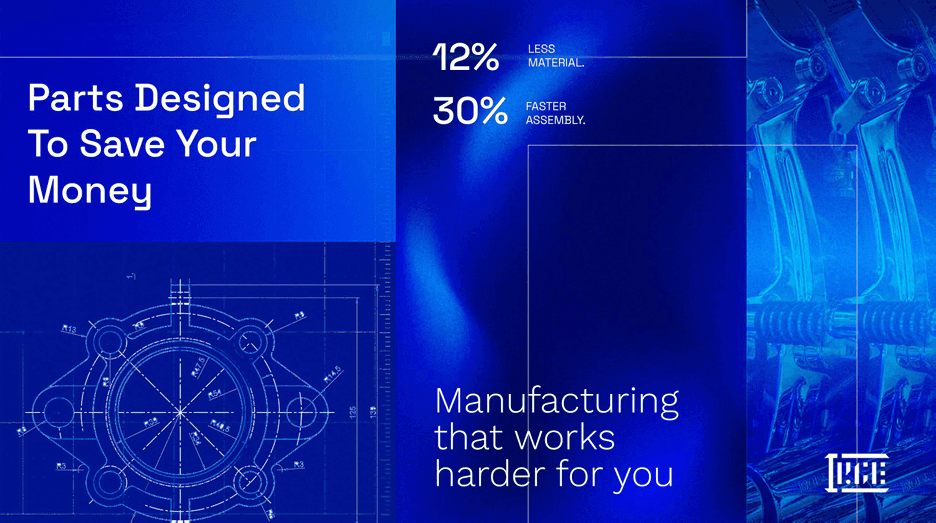
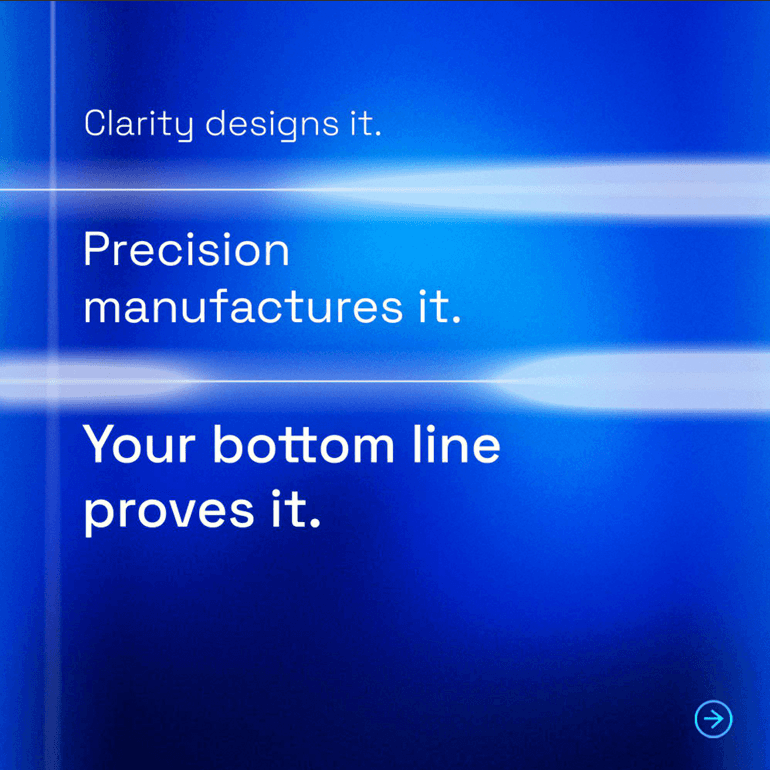
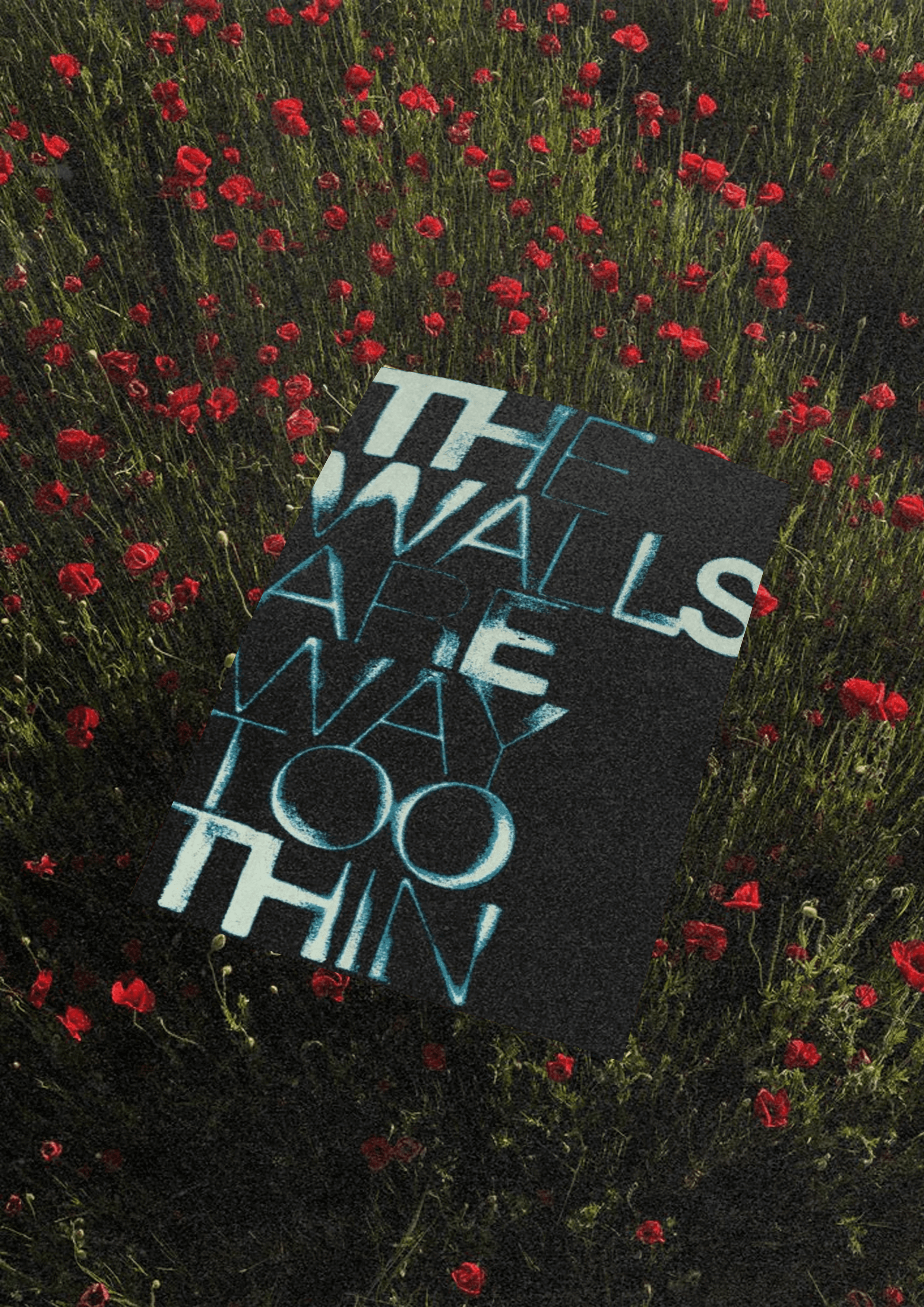
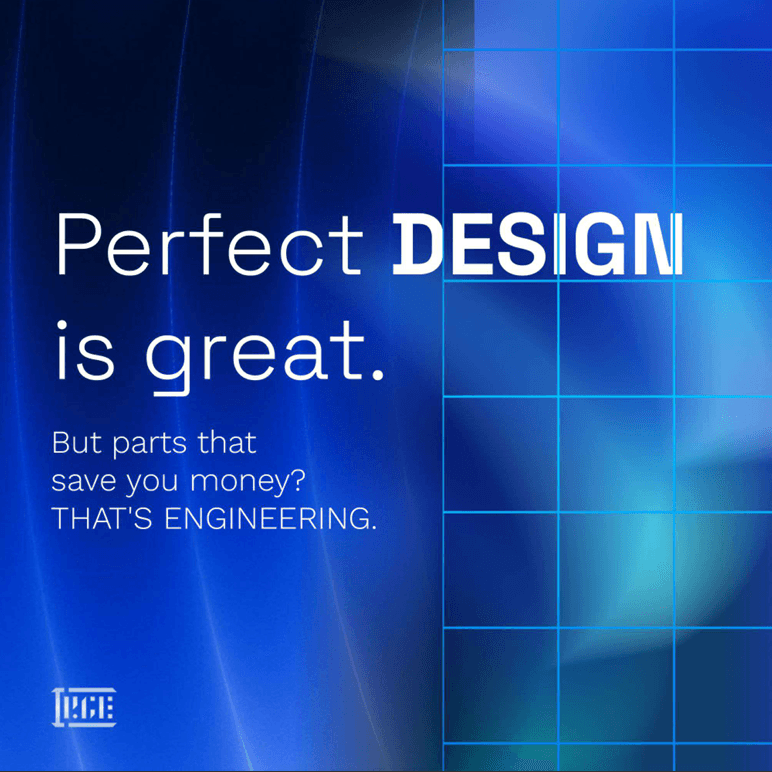
Based on the research, we developed two independent promotional campaign pitches, each fully executed across multiple formats. For every campaign, we defined the audience, problem statement, concept direction, tone, and visual identity. Deliverables included social media posts, posters, and short video content — all belonging to a cohesive campaign system.
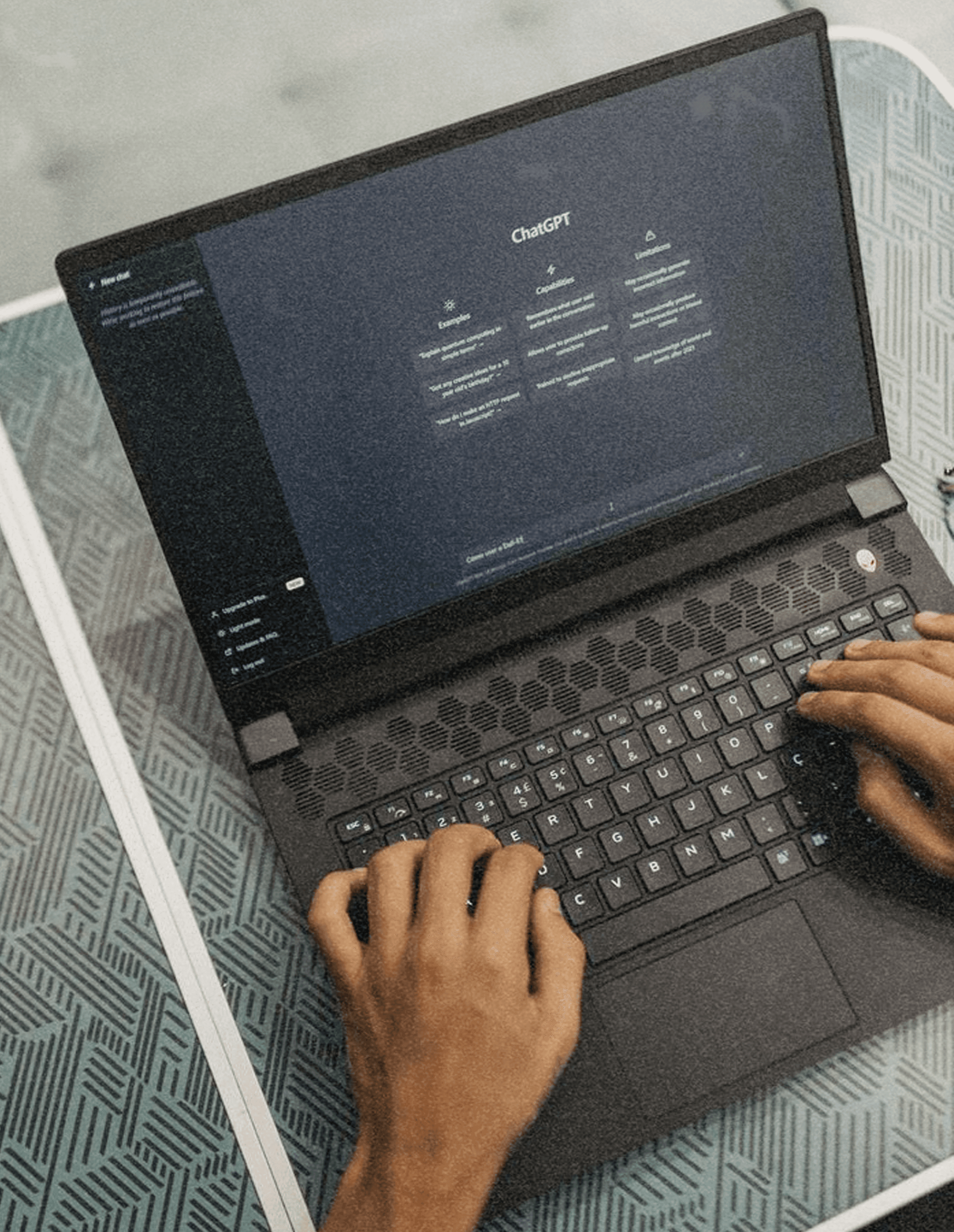
A core learning of this module was disciplined AI usage. We used structured prompting systems (ACDQ framework - Act Like, Context, Deep Details, Questions/Task), defined constraints, selected appropriate AI platforms, documented iterations, rejected weak outputs, and curated results carefully. The emphasis was not on generating visuals quickly, but on directing AI strategically while maintaining clarity, consistency, and design intent.
The module strengthened my ability to - use AI tools as a guiding design assistant rather than a shortcut, Translate research insights into coherent campaign systems, maintain brand consistency across multiple communication formats, Document process rigorously and articulate design decisions clearly
This module focused on integrating AI into real-world communication design systems through structured, research-led workflows. Working in a team, we collaborated with a live client, Insight Engineers, a design-driven mechanical manufacturing firm with minimal digital presence. The project required us to understand the business deeply before moving into execution, ensuring that AI was used with intention rather than randomness.
Module length: 11 days
The process began with primary research, multiple client interviews, structured questionnaires, transcription, insight extraction, and analysis. We developed research instruments, built audience personas, mapped value exchanges through journey maps, and identified brand attributes, misconceptions, and positioning opportunities. A shared FigJam workspace functioned as our collaborative research board, helping us organize insights and align decisions.
Based on the research, we developed two independent promotional campaign pitches, each fully executed across multiple formats. For every campaign, we defined the audience, problem statement, concept direction, tone, and visual identity. Deliverables included social media posts, posters, and short video content — all belonging to a cohesive campaign system.
A core learning of this module was disciplined AI usage. We used structured prompting systems (ACDQ framework - Act Like, Context, Deep Details, Questions/Task), defined constraints, selected appropriate AI platforms, documented iterations, rejected weak outputs, and curated results carefully. The emphasis was not on generating visuals quickly, but on directing AI strategically while maintaining clarity, consistency, and design intent.
The module strengthened my ability to - use AI tools as a guiding design assistant rather than a shortcut, Translate research insights into coherent campaign systems, maintain brand consistency across multiple communication formats, Document process rigorously and articulate design decisions clearly