Illustration
00
An introduction to the module
The Illustration module focused on developing visual storytelling skills through imagination-driven exercises, character construction, and narrative interpretation across digital platforms. The course encouraged experimentation, conceptual thinking, and building a personal visual language.

Module length: 22 days
The module began with rapid visualization exercises based on abstract prompts. For example, interpreting a single word into multiple distinct illustrations without reference material trained us to rely on instinct, imagination, and internal visual memory. This exercise emphasized idea generation, visual association, and speed of conceptual translation.
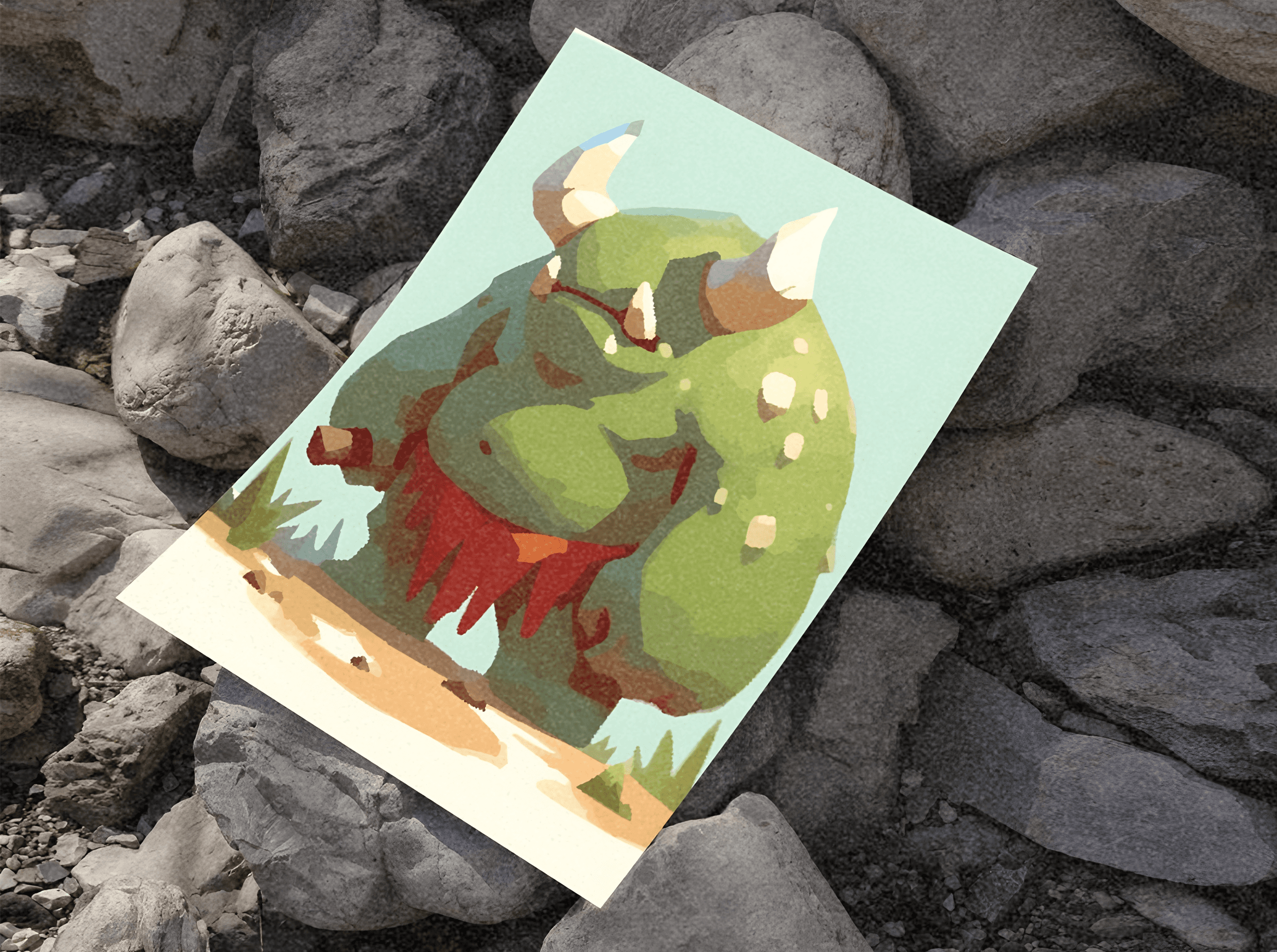
We then explored object-based character development, where everyday objects were analyzed and transformed into personality-driven illustrated forms. This assignment required observation, abstraction, and the ability to translate physical traits into human-like characteristics, strengthening conceptual thinking and playful experimentation.
A major component of the module involved narrative illustration. We selected a literary story and broke it down into plot structure, conflict, character traits, and key visual moments. The process included scripting, thumbnail development, rough sketches, composition planning, and final digital rendering. This assignment emphasized sequencing, pacing, character consistency, and visual continuity within a structured storytelling format.
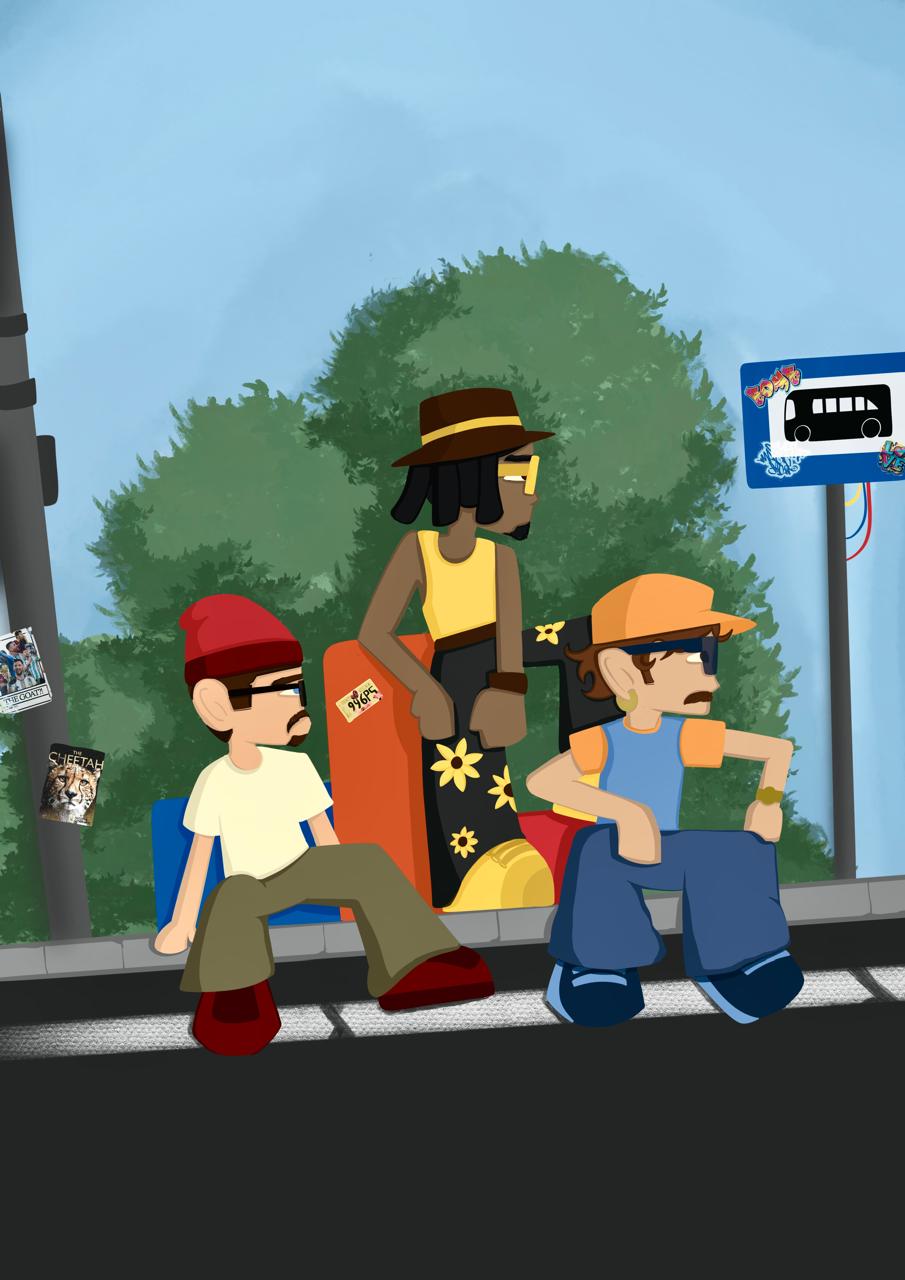
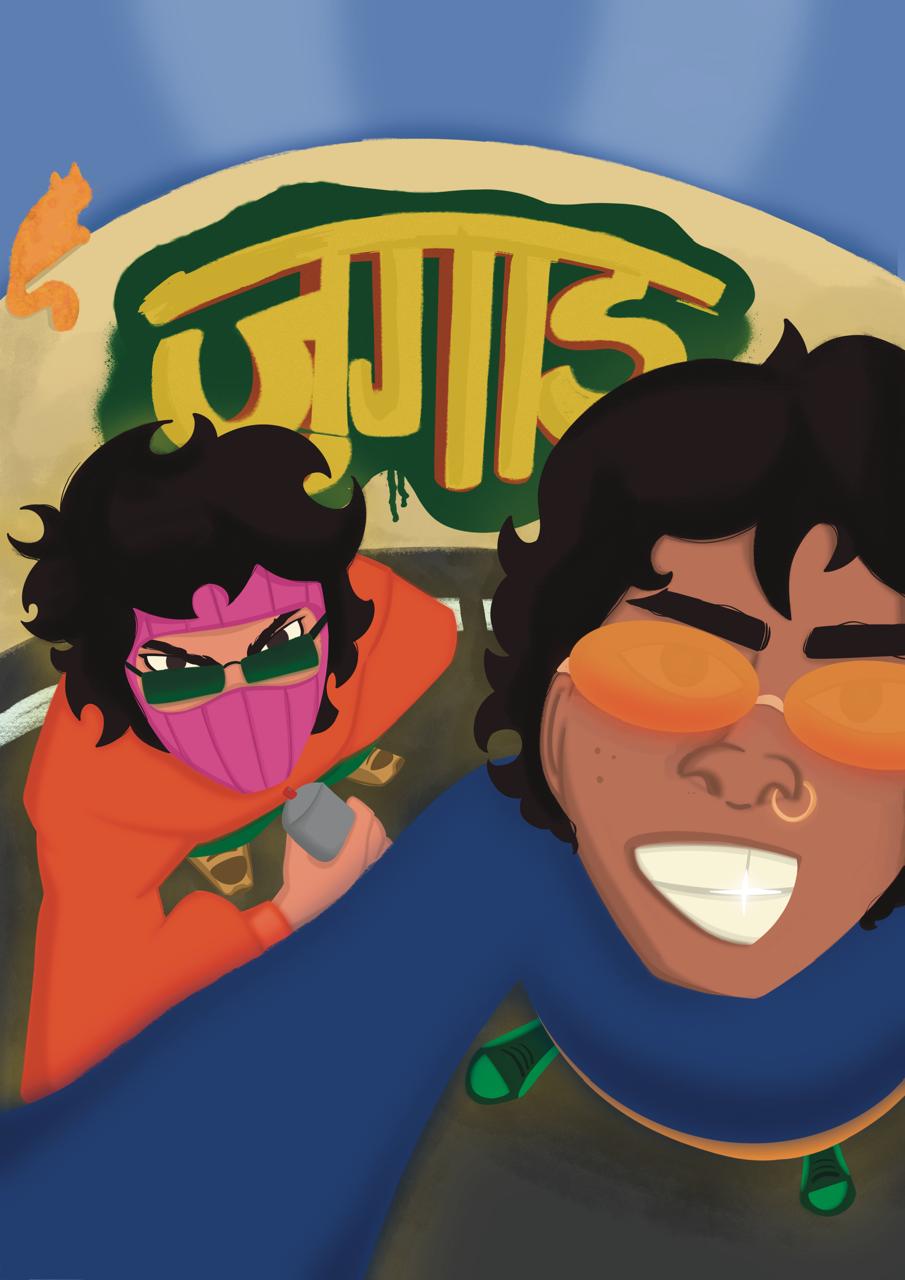
The module also included campaign-based illustrative poster design. Working with a selected brand and theme, we developed multiple poster concepts, each representing different personas and narrative angles. This exercise focused on mood-building, audience interpretation, visual tone, and maintaining consistency while communicating varied storylines within a single campaign framework.
Throughout the module, digital illustration tools were extensively used, allowing exploration of layering, color palettes, texture, lighting, and composition refinement. The emphasis remained on balancing creative freedom with conceptual clarity and narrative intention.
The Illustration module strengthened my ability to translate abstract ideas into structured visuals, construct character-driven narratives, and develop cohesive storytelling across single frames and sequential formats.
The Illustration module focused on developing visual storytelling skills through imagination-driven exercises, character construction, and narrative interpretation across digital platforms. The course encouraged experimentation, conceptual thinking, and building a personal visual language.
Module length: 22 days
The module began with rapid visualization exercises based on abstract prompts. For example, interpreting a single word into multiple distinct illustrations without reference material trained us to rely on instinct, imagination, and internal visual memory. This exercise emphasized idea generation, visual association, and speed of conceptual translation.
We then explored object-based character development, where everyday objects were analyzed and transformed into personality-driven illustrated forms. This assignment required observation, abstraction, and the ability to translate physical traits into human-like characteristics, strengthening conceptual thinking and playful experimentation.
A major component of the module involved narrative illustration. We selected a literary story and broke it down into plot structure, conflict, character traits, and key visual moments. The process included scripting, thumbnail development, rough sketches, composition planning, and final digital rendering. This assignment emphasized sequencing, pacing, character consistency, and visual continuity within a structured storytelling format.
The module also included campaign-based illustrative poster design. Working with a selected brand and theme, we developed multiple poster concepts, each representing different personas and narrative angles. This exercise focused on mood-building, audience interpretation, visual tone, and maintaining consistency while communicating varied storylines within a single campaign framework.
Throughout the module, digital illustration tools were extensively used, allowing exploration of layering, color palettes, texture, lighting, and composition refinement. The emphasis remained on balancing creative freedom with conceptual clarity and narrative intention.
The Illustration module strengthened my ability to translate abstract ideas into structured visuals, construct character-driven narratives, and develop cohesive storytelling across single frames and sequential formats.